
- iTunes
- Play Store
- New PTSA App Launched
AlpHa Measurement Solutions
Parameters
Browse by sensor type through Alpha’s electrochemical and optical sensor portfolios. Each sensor parameter is proudly manufactured and tested in-house, tailored to the unique requirements of the test and measurement application.
Applications
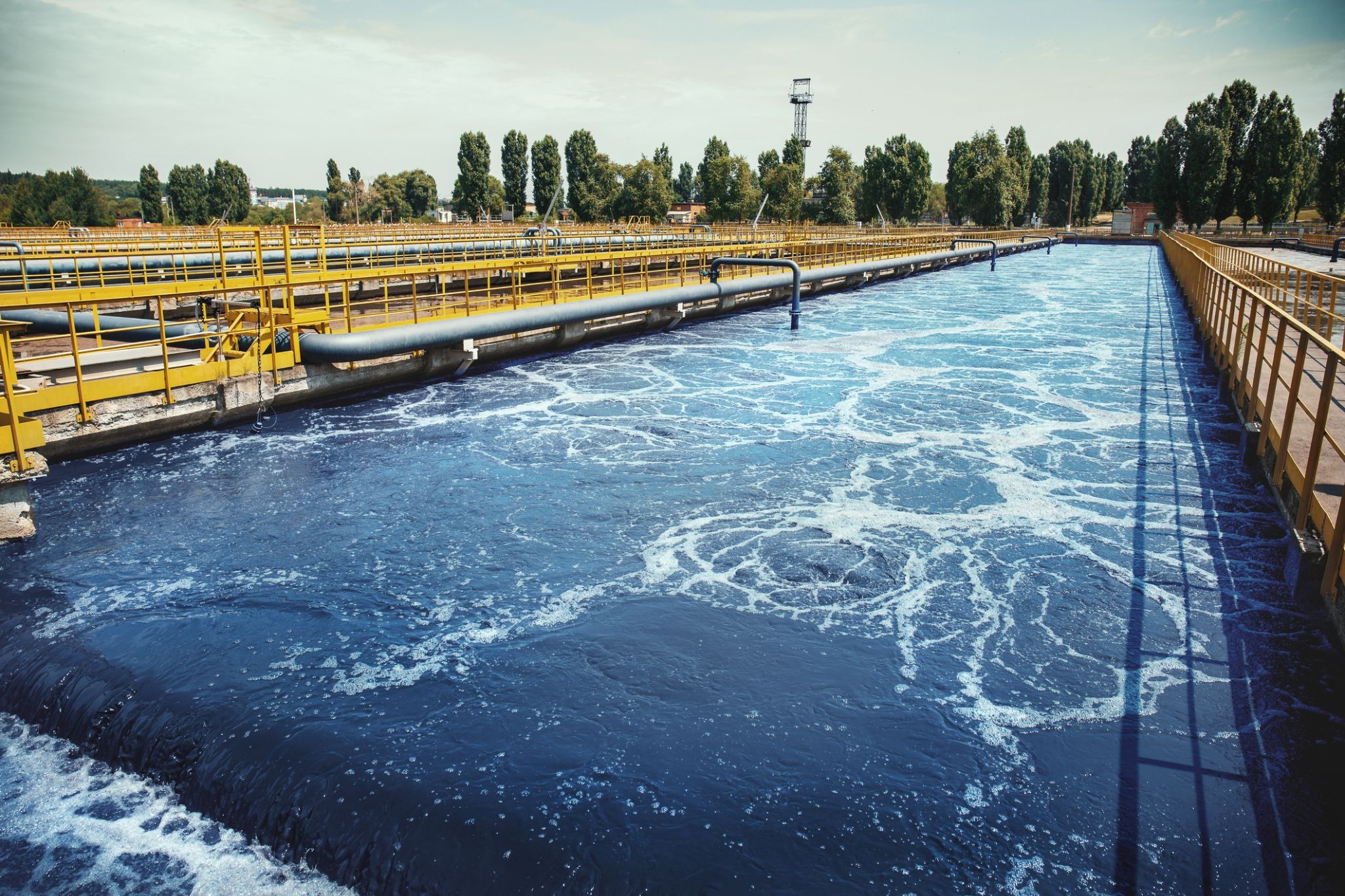
Search by use application to view products and solutions offered across industries. Contact us to purchase Van London products, or to have our engineers and sales professionals customize a solution to meet your unique test and measurement application.
Analyzers, Meters & Transmitters
Contact AlpHa to explore our capabilities to design and supply OEM liquid analytical process instrumentation and meters with a range of analytics to pair with both analog and compatible digital sensors and electrodes.
Vertically Integrated Global Manufacturing
+2M
Units Shipped Annually
Subject Matter Expertise
Fractional or Turnkey Product Development
Partner to OEM & Distributor Models
Browse by Application
Browse by Parameter
Give Us a Call
Industry Highlights/AlpHa's Take

Analog vs Digital Sensors: Comparisons and Selection Criteria
Choosing between analog and digital sensors goes beyond tradition or preference; it requires understanding how each technology supports accuracy, integration, and long-term performance. This article compares both sensor types and offers practical guidance to help engineers, operators, and system designers select the best fit for their application.

NTU in Turbidity: What It Means and Why It Matters
NTU remains the most trusted and widely used metric for understanding turbidity and assessing changes in water clarity. Modern optical sensors make NTU measurement more reliable, giving water professionals clearer insight into treatment performance, environmental conditions, and compliance.

NTC vs RTD: Choosing the Right Temperature Sensor
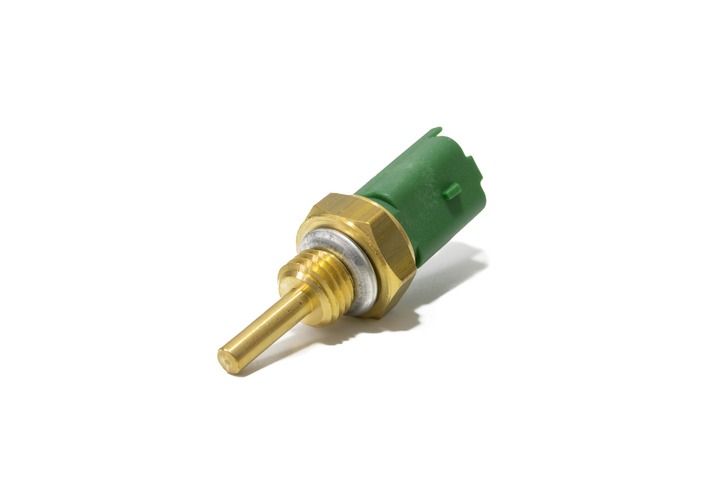
NTC thermistors and RTDs are the most widely used temperature sensors, yet they perform very differently as temperature changes. Understanding their strengths, limitations, and ideal applications is key to selecting the right sensor for accurate, stable, and long-term temperature measurement.