

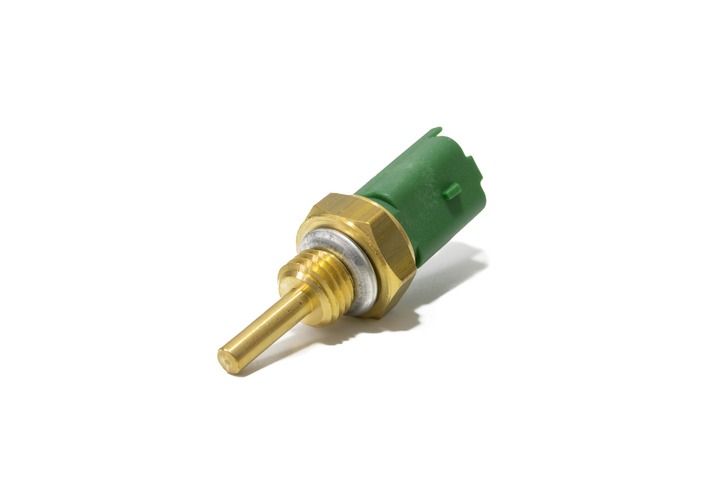
Types of RTD Sensors: Practical Selection Considerations
RTD sensor performance depends on more than accuracy specifications; factors such as construction, materials, wiring, and integration all influence long-term reliability. This article explains how thin-film, wire-wound, and strain-free RTDs perform in real industrial environments and how to select the right design for your application.

FNU vs NTU – Which is Better for Measuring Turbidity?
FNU and NTU both measure turbidity using nephelometric principles, but their different light sources make them suited for different applications. This article explains where each method fits, why the readings are not interchangeable, and how AlpHa’s TU90 turbidity sensor supports reliable NTU monitoring.
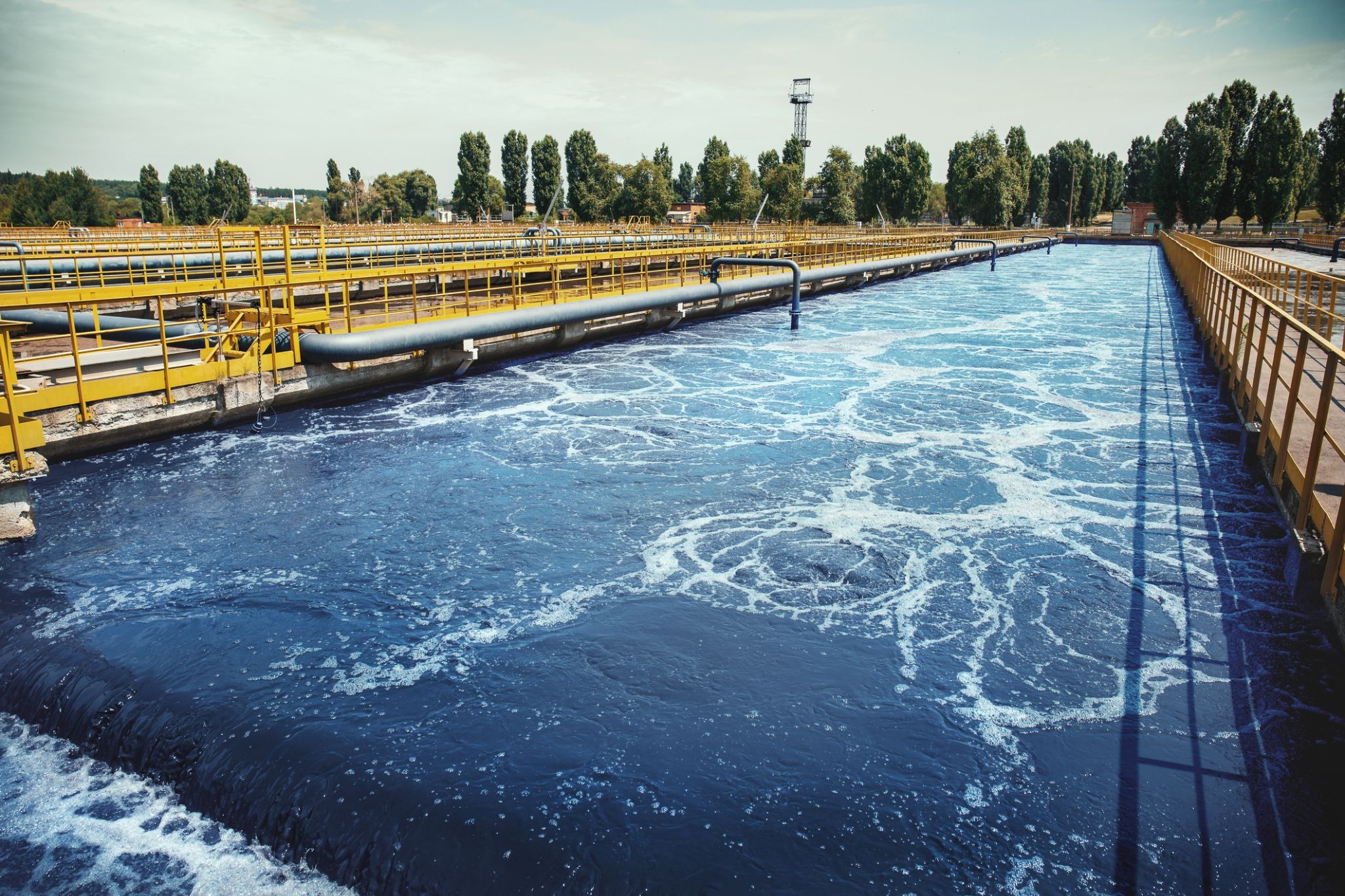
Optical Brighteners in Water: Role in Wastewater Treatment
Traditional water quality parameters often show that something changed, but not what caused it. This article explains how optical brighteners provide a clearer fingerprint of wastewater contamination and how continuous sensing helps utilities respond faster.

AlpHa Measurement Solutions Acquired by Enpro
AlpHa Measurement Solutions LLC, a leading provider of liquid analytical sensing technologies and instrumentation, proudly announces it has been acquired by Enpro Inc, a global industrial technology company focused on critical applications across a wide range of end markets
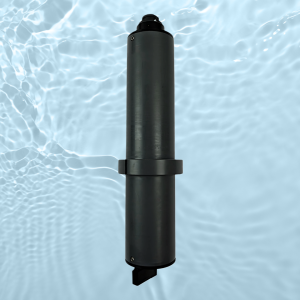
AlpHa Measurement Solutions Launches Turbidity Sensor Portfolio
AlpHa Measurement Solutions has unveiled its new TU90 Turbidity Sensor Portfolio, a laser-based, ISO 7027-compliant solution engineered for exceptional accuracy and OEM integration. With customizable configurations and leading low-range performance, the TU90 sets a new standard for turbidity monitoring.

AlpHa Measurement Solutions Launches New Fluorometer Sensor Line for Chlorophyll a, Blue Green Algae (Phycocyanin), and CDOM
In an expansion of its optical sensing platform and leveraging its patent-pending XCite fluorometer, AlpHa is proud to release the XC-CHLA, XC-BGAF, and XC-CDOM. The XC-CHLA and XC-CDOM measure Chlorophyll a and CDOM, respectively, at a market leading minimum detection limit of 0.01 part per billion (ppb).