AlpHa 测量解决方案 洞察力

Soil Sample Assessment for pH Measurement

Soil pH Measurement: Why It Matters for Plant Health

Soil pH plays a critical role in nutrient availability, microbial activity, root development, and overall plant performance. This article explains why accurate soil pH measurement matters and how reliable sensing technology supports better growing decisions.

阅读更多 "
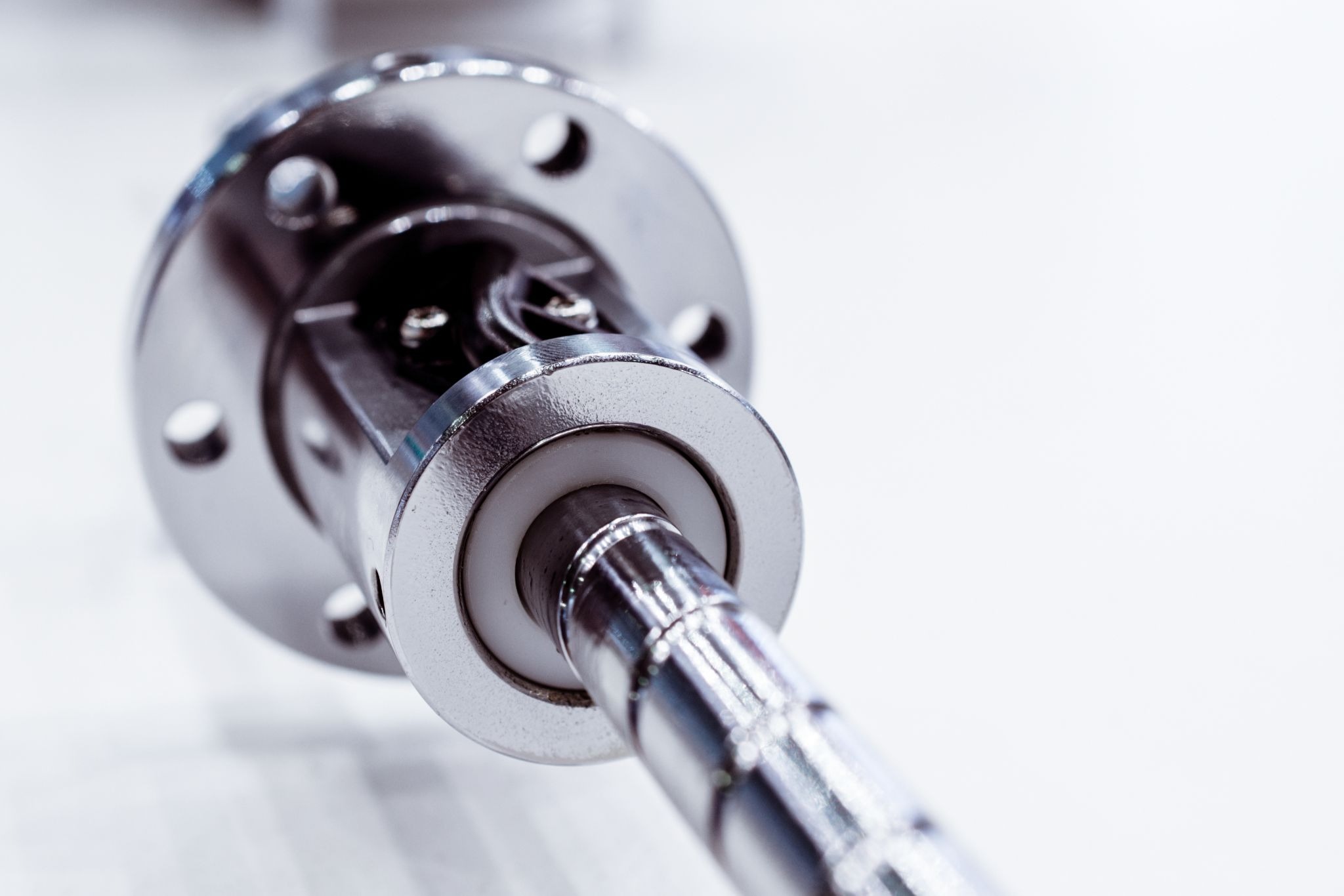
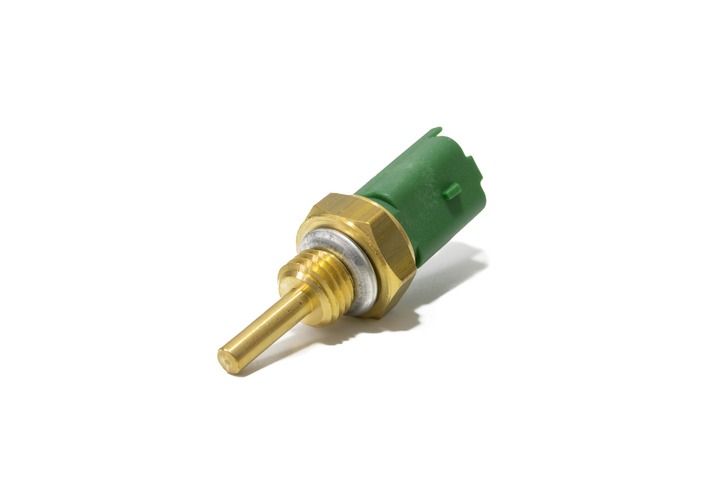
RTD Sensors are one of the most common temperature sensor types

Types of RTD Sensors: Practical Selection Considerations

RTD sensor performance depends on more than accuracy specifications; factors such as construction, materials, wiring, and integration all influence long-term reliability. This article explains how thin-film, wire-wound, and strain-free RTDs perform in real industrial environments and how to select the right design for your application.

阅读更多 "
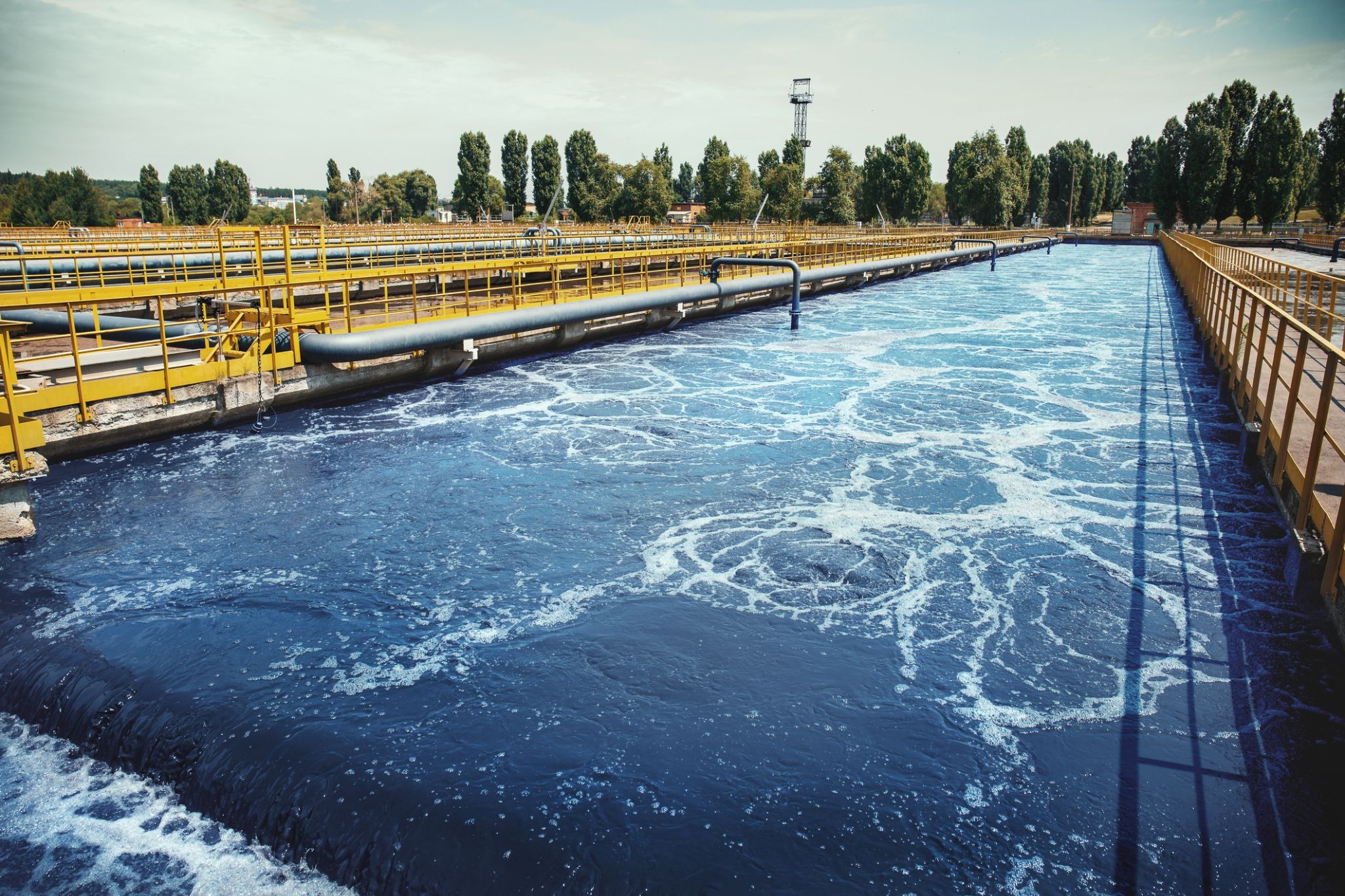
High Turbidity Wastewater Discharge into River. Measurements can be in FNU vs NTU.

FNU vs NTU – Which is Better for Measuring Turbidity?

FNU and NTU both measure turbidity using nephelometric principles, but their different light sources make them suited for different applications. This article explains where each method fits, why the readings are not interchangeable, and how AlpHa’s TU90 turbidity sensor supports reliable NTU monitoring.

阅读更多 "
Compliance to UK Environment Act Section 82 Requires Monitoring on Discharge Points

Compliance With the UK Environment Act Monitoring Standards

The UK Environment Act 2021 has redefined compliance by requiring continuous, transparent monitoring of wastewater discharges. This article explores how utilities can design effective sensor strategies to meet Section 82 requirements and deliver reliable, real-time environmental data.

阅读更多 "
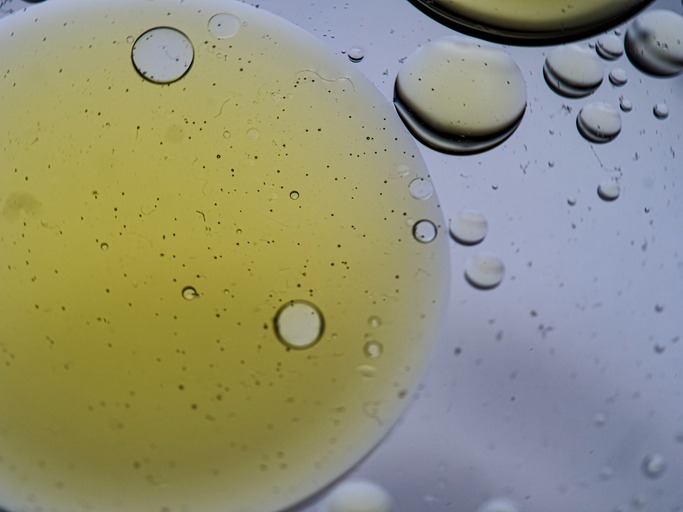
Oil in Water Monitoring

Oil in Water Monitoring: Compliance and Process Safety

Oil contamination in water streams can develop gradually across oil and gas facilities, creating environmental, regulatory, and operational risks. This article explains why continuous oil-in-water monitoring is essential for early leak detection, compliance assurance, and safer process operations.

阅读更多 "
Optical Brighteners

Optical Brighteners vs Tryptophan Fluorescence in Monitoring

Optical brighteners and tryptophan fluorescence both rely on fluorescence sensing, yet they reveal very different aspects of water contamination. This article explains how combining both indicators helps utilities and environmental professionals better detect wastewater influence and biological organic pollution.

阅读更多 "
River Bank Gradually Eroding into Surface Water, highlighting soil erosion impact on water quality

Soil Erosion Impact on Water Quality

Accelerated soil erosion directly degrades water quality by increasing turbidity, nutrient loading, and pollutant transport into rivers and reservoirs. This article explores the environmental and economic impacts of erosion and highlights how AlpHa’s turbidity and ion sensors enable continuous, data-driven mitigation.

阅读更多 "
Chlorine Tap Water for Drinking

Is Chlorine Tap Water Safe To Drink?

Chlorine plays a critical role in keeping tap water safe by disinfecting pathogens and protecting water quality throughout distribution. This article explains how chlorination works, what regulatory limits mean for consumers, and how continuous monitoring ensures safe, compliant drinking water.

阅读更多 "