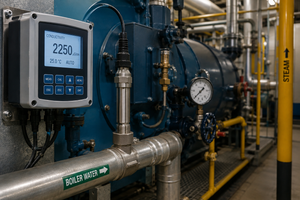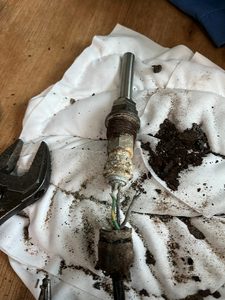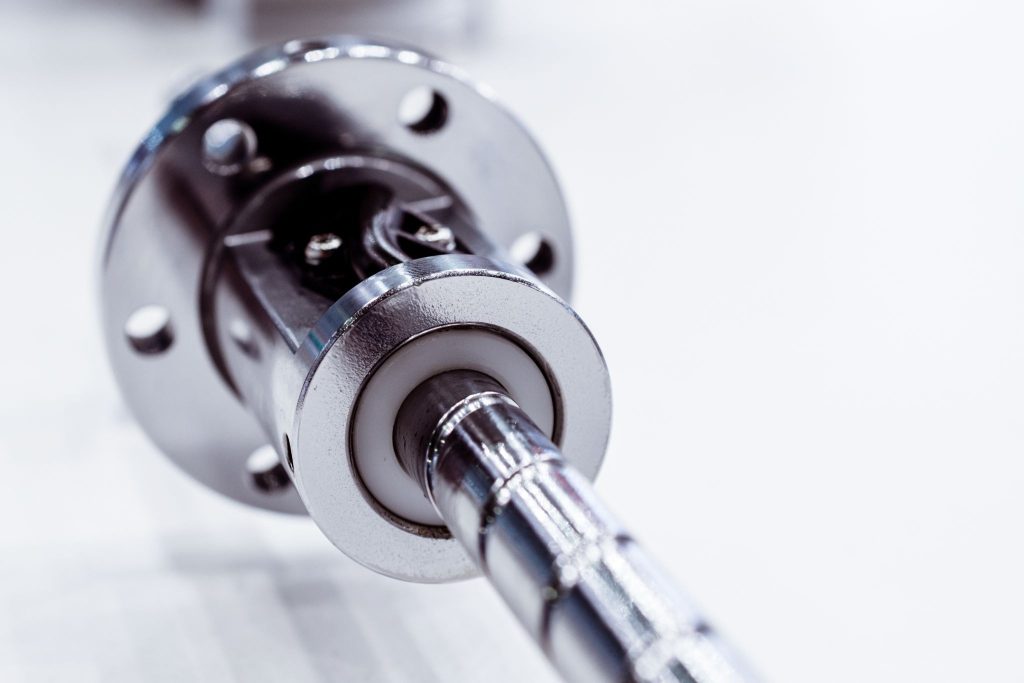
Food and beverage manufacturers depend on precise process monitoring to maintain product quality, improve production efficiency, and meet stringent hygiene standards. Among the many analytical measurement parameters in production, conductivity measurement plays a critical role in monitoring Clean-in-Place (CIP) systems. It is also a key parameter in identifying product-to-water transitions, detecting leaks, and verifying process conditions. Choosing the right conductivity sensor is essential for obtaining reliable measurements in these demanding environments. Toroidal conductivity sensors, or inductive conductivity sensors, are an ideal solution for many hygienic applications. This is because they measure conductivity without exposing electrodes directly to the process fluid. Their non-contact design minimizes fouling, reduces maintenance, and delivers dependable performance in applications involving aggressive cleaning chemicals, high-conductivity solutions, and continuous operation.
What Is a Toroidal Conductivity Sensor?
A toroidal conductivity sensor measures the electrical conductivity of a liquid using an inductive, non-contact measurement principle. Unlike traditional contacting conductivity sensors, which rely on exposed electrodes to measure electrical current directly through the process fluid, toroidal sensors use two electromagnetic coils enclosed within the sensor body.
One coil generates an alternating magnetic field that induces an electrical current within the conductive liquid surrounding the sensor. The second coil detects the resulting magnetic field produced by that current. The strength of the induced signal is directly proportional to the conductivity of the process fluid. As a result, the sensor can calculate conductivity without direct electrical contact.
Because there are no exposed metal electrodes, toroidal conductivity sensors are highly resistant to coating, scaling, polarization, and chemical attack. This makes them especially well-suited for food and beverage applications where process fluids may contain sugars, proteins, starches, syrups, fats, or concentrated cleaning chemicals that can interfere with traditional contacting sensors.
Their robust design also reduces maintenance requirements while providing stable, repeatable measurements across a wide range of operating conditions.
How Toroidal Conductivity Sensors Improve Food & Beverage Processes
Optimizing Clean-in-Place (CIP)
Clean-in-Place systems are essential for maintaining hygienic production equipment without requiring disassembly. During a typical CIP cycle, equipment is flushed with water, alkaline detergents, acid solutions, and final rinse water. Accurately monitoring conductivity throughout these stages helps ensure each cleaning step is completed correctly.
Toroidal conductivity sensors continuously monitor the concentration of cleaning solutions. This allows operators to verify that caustic and acid concentrations remain within target ranges for effective cleaning. During rinse cycles, conductivity measurements confirm the complete removal of residual chemicals, helping prevent product contamination and reduce unnecessary water consumption.
Reliable conductivity monitoring also supports automated CIP systems by providing accurate signals for process control. This minimizes chemical waste, shortens cleaning cycles, and improves repeatability across multiple production lines.
Product-to-Water Phase Separation
Food and beverage manufacturers frequently transition between product and water during startup, shutdown, product changeovers, and cleaning operations. Accurate detection of these product-to-water interfaces is essential for maximizing product recovery while minimizing waste.
Because many beverages, dairy products, sauces, syrups, and cleaning solutions have distinct conductivity values, toroidal conductivity sensors can identify these transitions in real time. Automated control systems can then use conductivity measurements to switch valves at the optimal moment. This ensures that valuable product is directed to storage while rinse water is appropriately diverted.
Effective phase separation reduces product losses, conserves water, lowers disposal costs, and improves overall production efficiency.
Leak Detection and Process Monitoring
Unexpected product leaks, cross-contamination, or process deviations can lead to costly downtime, wasted product, and quality concerns. Continuous conductivity monitoring helps operators detect abnormal process conditions before they become larger operational problems.
For example, changes in conductivity may indicate product entering a water stream, cleaning chemicals remaining in production lines, or process fluids mixing unexpectedly. By identifying these deviations early, manufacturers can investigate equipment issues, verify process performance, and reduce the likelihood of unplanned production interruptions.
Why Toroidal Conductivity Sensors Are Ideal for Hygienic Food & Beverage Applications
Food and beverage processing presents unique challenges for analytical instrumentation. Sensors must withstand aggressive CIP chemicals, frequent washdowns, elevated temperatures, and continuous operation while maintaining accurate measurements under sanitary conditions.
Toroidal conductivity sensors are ideal for these demanding environments because their inductive measurement principle eliminates exposed electrodes that can become coated or polarized over time. This non-contact design helps maintain stable measurements even when processing sticky, viscous, or high-solids products that might otherwise accumulate on sensing surfaces. Their ability to accurately measure highly conductive cleaning solutions also makes them valuable throughout CIP cycles. In these cycles, traditional contacting sensors may require more maintenance or exhibit reduced measurement stability.
In addition to improving measurement reliability, toroidal conductivity sensors typically require less routine maintenance. This is because there are no electrodes to clean or replace. The result is increased uptime, fewer service interruptions, and lower long-term operating costs. These advantages make toroidal conductivity sensors an excellent choice for dairies, breweries, beverage manufacturers, food processors, and other hygienic production facilities seeking dependable conductivity measurement across a wide range of operating conditions.
Flexible Conductivity Sensor Options from AlpHa Measurement Solutions
AlpHa Measurement Solutions offers a comprehensive conductivity sensor portfolio that includes both contacting (2-cell, 3-cell, and 4-cell) and toroidal (inductive) technologies, allowing manufacturers to select the measurement approach best suited to their application. Consistent with AlpHa’s focus on customizable liquid sensing solutions, the portfolio supports conductivity measurements from 0.055 µS/cm to 1,000 mS/cm across operating temperatures from -5°C to 200°C.
To accommodate diverse food and beverage processes, AlpHa provides multiple housing materials, sensor form factors, thermistor options, and communication protocols. Other features include 4–20 mA analog outputs and RS-485 MODBUS RTU. Custom mechanical assemblies, such as hot-tap and live-tap retractable insertions, allow sensors to be installed or removed without draining or interrupting the process, helping reduce maintenance downtime.
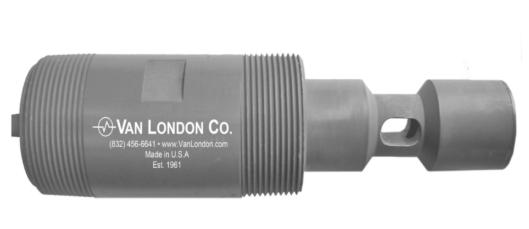
Whether supporting new OEM equipment or retrofitting existing production systems, AlpHa’s engineering team configures conductivity sensing solutions for each application. As a result, customers can integrate sensors seamlessly with third-party instrumentation while meeting performance, hygiene, and operational requirements. By emphasizing engineering collaboration and configurable designs, AlpHa delivers precision liquid sensing technologies tailored to demanding industrial and food-processing environments.
Frequently Asked Questions on Toroidal Conductivity Sensors
Where should a toroidal conductivity sensor be installed in a food or beverage process?
Installation depends on the application. Common locations include CIP supply and return lines, product transfer lines, blending systems, and utility water circuits, where continuous conductivity monitoring provides valuable process information.
Can toroidal conductivity sensors integrate with existing control systems?
Yes. Many toroidal conductivity sensors support common industrial communication protocols such as 4–20 mA analog outputs and RS-485 MODBUS RTU, allowing integration with PLCs, SCADA systems, and other process control equipment.
Do toroidal conductivity sensors require regular maintenance?
Compared with contacting conductivity sensors, toroidal sensors generally require less maintenance because they lack exposed electrodes. As a result, they are less susceptible to fouling, polarization, and the maintenance challenges associated with exposed sensing surfaces. Even so, routine inspections and periodic calibration remain essential for maintaining long-term measurement accuracy.
What factors should be considered when selecting a conductivity sensor?
Selecting the appropriate conductivity sensor depends on several process variables, including conductivity range, operating temperature, chemical compatibility, installation method, sanitary requirements, communication protocol, and integration with existing instrumentation. Working with an experienced sensor manufacturer can help ensure the selected configuration delivers reliable, long-term performance for the intended application.