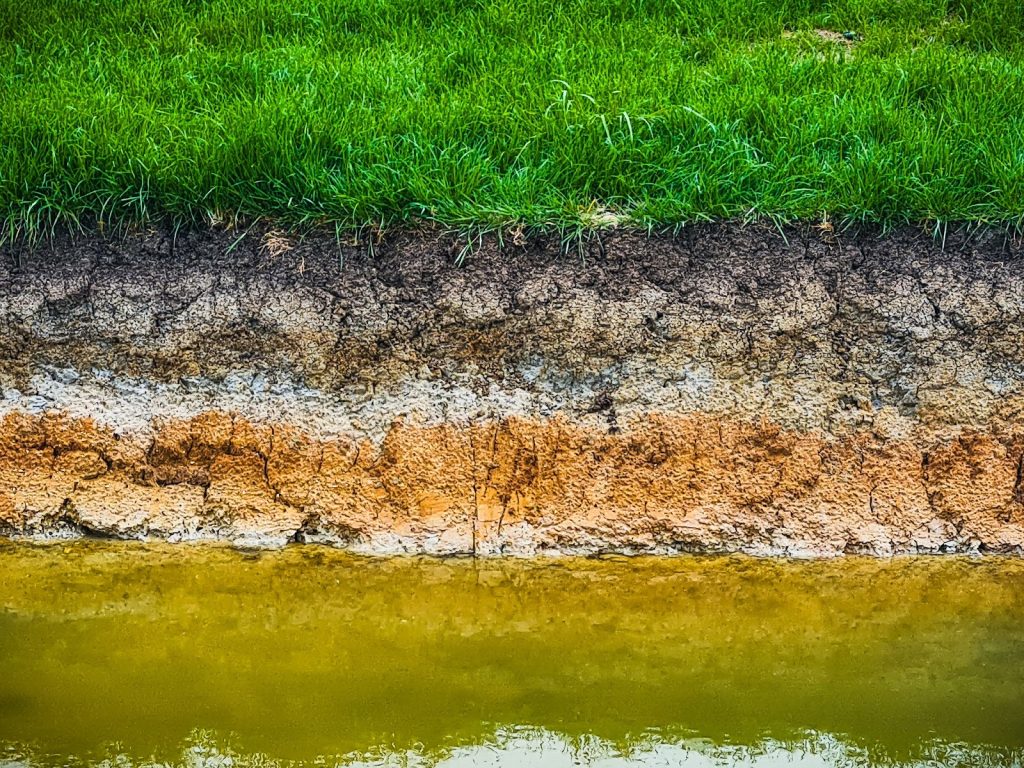
Soil erosion is a natural process, yet human activity has significantly accelerated it across many landscapes. When erosion intensifies, it does more than degrade land; it directly compromises water quality in rivers, lakes, reservoirs, and groundwater recharge zones. As soil particles move from land into water systems, they carry sediment, nutrients, and pollutants that disrupt ecosystems and strain treatment infrastructure. This is a concern because many drinking water sources depend on surface water. Thus, understanding the link between soil erosion and water quality has become a priority for utilities, regulators, and watershed managers. This article explains the impact of soil erosion on water quality through increased turbidity, nutrient imbalances, and pollutant transport. It also examines the ecological and economic consequences of erosion and highlights how modern monitoring solutions, including turbidity and nutrient sensors, support effective mitigation strategies.
What Is Soil Erosion?
Soil erosion occurs when wind, water, or mechanical forces detach and transport soil particles. Under natural conditions, erosion happens slowly and balances with soil formation. However, land-use changes often accelerate this process beyond sustainable levels.
Several types of soil erosion impact on water quality. Sheet erosion removes thin layers of topsoil during rainfall events, often unnoticed until damage becomes severe. Rill erosion forms small channels that funnel sediment into streams. Gully erosion creates deep channels that rapidly deliver large sediment loads downstream. In addition, streambank erosion destabilizes waterways, widening channels and increasing sedimentation.
When these processes intensify, they create direct pathways between land surfaces and water bodies, making erosion a critical water-quality concern.
How Soil Erosion Connects to Water Systems
Eroded soil rarely remains in its original location. Rainfall and runoff transport loosened particles into drainage systems, streams, and rivers. Agricultural fields, construction sites, and deforested land often generate runoff with high sediment concentrations during storm events.
Once sediments enter waterways, they remain suspended or settle depending on flow conditions. In reservoirs and lakes, sediments accumulate over time, reducing storage capacity. While in rivers, they alter channel geometry and flow patterns. Erosion not only affects water chemistry but also reshapes physical habitats.
Increased Turbidity and Sediment Loading
One of the most immediate water quality impacts of soil erosion is increased turbidity. Turbidity measures how suspended particles scatter light in water. As erosion increases sediment loads, turbidity levels rise accordingly.
High turbidity reduces light penetration, limiting photosynthesis in aquatic plants and algae. This disruption affects the entire food web, from microorganisms to fish. Moreover, suspended sediment clogs fish gills, smothers benthic habitats, and degrades spawning grounds.
From an operational perspective, elevated turbidity challenges drinking water treatment facilities. Utilities must increase chemical dosing, filtration effort, and backwashing frequency to meet regulatory standards. Consequently, erosion-driven turbidity raises operational costs and energy consumption.
Nutrient Imbalance and Eutrophication
Eroded soils often carry nutrients, particularly nitrogen and phosphorus, into water bodies. These nutrients bind to fine soil particles and dissolve into runoff, especially in agricultural and urban areas.
Once in surface waters, excess nutrients stimulate algal growth. This process, known as eutrophication, leads to algal blooms that consume dissolved oxygen as they decay. Low oxygen levels stress or kill aquatic organisms and create dead zones in lakes and estuaries.
In addition, algal blooms affect drinking water supplies. They produce taste and odor compounds and, in some cases, harmful toxins. As a result, erosion-induced nutrient loading complicates water treatment and threatens public health.
Transport of Pollutants and Contaminants
Soil erosion also acts as a delivery mechanism for pollutants. Pesticides, herbicides, hydrocarbons, and heavy metals often adhere to soil particles. When erosion mobilizes these particles, contaminants enter waterways alongside sediment.
Urban runoff may introduce oils, tire residues, and metals, while agricultural runoff contributes chemical residues and pathogens. Over time, these substances accumulate in sediments and aquatic organisms. Bioaccumulation then transfers pollutants through the food chain, affecting wildlife and human consumers.
Erosion magnifies pollution risks even when contaminant sources are diffuse and difficult to regulate directly.
Ecological Impact of Soil Erosion on Aquatic Ecosystems
The combined effects of turbidity, nutrient imbalance, and pollutants significantly alter aquatic ecosystems. Sedimentation buries habitats used by macroinvertebrates and fish for feeding and reproduction. Reduced light availability limits aquatic vegetation, weakening ecosystem resilience.
Furthermore, altered stream morphology increases flow velocity and erosion downstream, creating a feedback loop. As habitats degrade, biodiversity declines, and ecosystems become less capable of recovering from disturbances.
Healthy water systems depend on stable sediment regimes. When erosion overwhelms these systems, ecological integrity suffers.
Economic and Infrastructure Consequences
Soil erosion imposes substantial economic costs. Drinking water utilities must invest in additional treatment capacity to manage turbidity and nutrient spikes. Reservoir sedimentation reduces storage volume, requiring dredging or costly infrastructure expansion.
Downstream industries, including fisheries and tourism, also feel the impact of soil erosion. Sediment-laden waters degrade recreational value and disrupt commercial fishing operations. In agricultural regions, nutrient losses from eroded soils reduce field productivity while creating downstream pollution.
Erosion affects not only environmental quality but also economic stability and public infrastructure.
Common Sources of Accelerated Soil Erosion
Several human activities accelerate erosion rates beyond natural levels. Agriculture remains a leading contributor, particularly where fields lack cover crops or buffer zones. Construction and urban development disturb soil surfaces and increase impervious areas, intensifying runoff.
Deforestation removes root systems that stabilize soil, while mining and road construction expose large areas of bare ground. Even poorly designed drainage systems can concentrate runoff and initiate erosion.
Addressing erosion requires understanding these sources and implementing targeted controls.
Best Practices for Reducing Soil Erosion Impact on Water Quality
Effective erosion management combines monitoring with preventive measures. Vegetated buffers along waterways reduce runoff velocity and trap sediments. Conservation tillage and cover crops protect agricultural soils. Construction sites benefit from phased grading and sediment controls.
Urban planners can incorporate green infrastructure to manage stormwater at its source. When combined with continuous monitoring, these practices reduce sediment loads and protect water quality.
Monitoring Soil Erosion Through Water Quality Indicators
Directly measuring soil erosion across landscapes is challenging. Instead, water quality indicators provide practical insight into erosion intensity. Turbidity and nutrient concentrations act as proxies for sediment transport and land disturbance.
By monitoring these parameters upstream and downstream, utilities and watershed managers can identify erosion hotspots. Continuous data reveals patterns tied to rainfall, seasons, and land-use changes. Monitoring transforms erosion from a reactive problem into a manageable risk.
Turbidity Monitoring for Erosion and Sediment Control
Turbidity is one of the most direct and responsive indicators of soil erosion and runoff entering water bodies. AlpHa’s TU90 turbidity sensor is engineered specifically for this challenge, combining optical precision with field-ready durability. Its ISO 7027–compliant 90° laser scattering method delivers reliable turbidity measurements across low and high NTU ranges, making it equally effective for baseline monitoring and extreme storm events. Industry-leading accuracy in the 0–100 NTU range allows early detection of subtle erosion signals before they escalate into compliance or ecological issues.
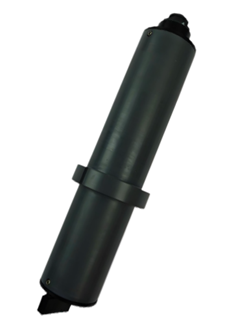
In addition, built-in temperature compensation, fast response times, and optional programmable wipers ensure consistent performance in rivers, reservoirs, and outfalls where biofouling and sediment loads fluctuate. With flexible analog and digital outputs and multiple mounting configurations, the TU90 integrates easily into fixed stations, sondes, or SCADA-based monitoring networks. As a result, it enables proactive erosion management, regulatory compliance, and real-time environmental protection.
Nutrient and Ion Monitoring with AlpHa’s ISE Sensors
While turbidity reveals sediment movement, ion-selective electrodes (ISEs) provide critical insight into the chemical impacts of erosion and runoff. AlpHa’s extensive ISE portfolio allows continuous measurement of nutrients and ions such as nitrate, ammonium, chloride, calcium, magnesium, lead, and fluoride, all of which influence drinking water safety and ecosystem health. These sensors help identify agricultural runoff, pipe corrosion, and contaminant transport associated with eroded soils.
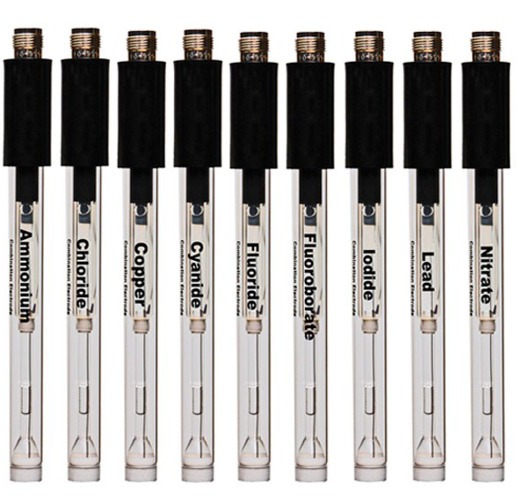
AlpHa designs its ISEs for both laboratory accuracy and demanding process environments. Flexible housing materials, robust reference systems, and multiple insertion options ensure reliable performance under varying pressure, flow, and water chemistry conditions. With support for analog and digital communications, AlpHa ISEs integrate seamlessly into treatment plants, distribution systems, and watershed monitoring programs. Together, they empower utilities and environmental managers to move from reactive sampling to continuous, data-driven water quality protection.