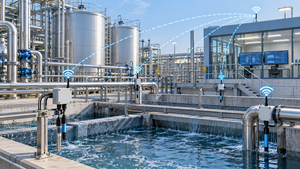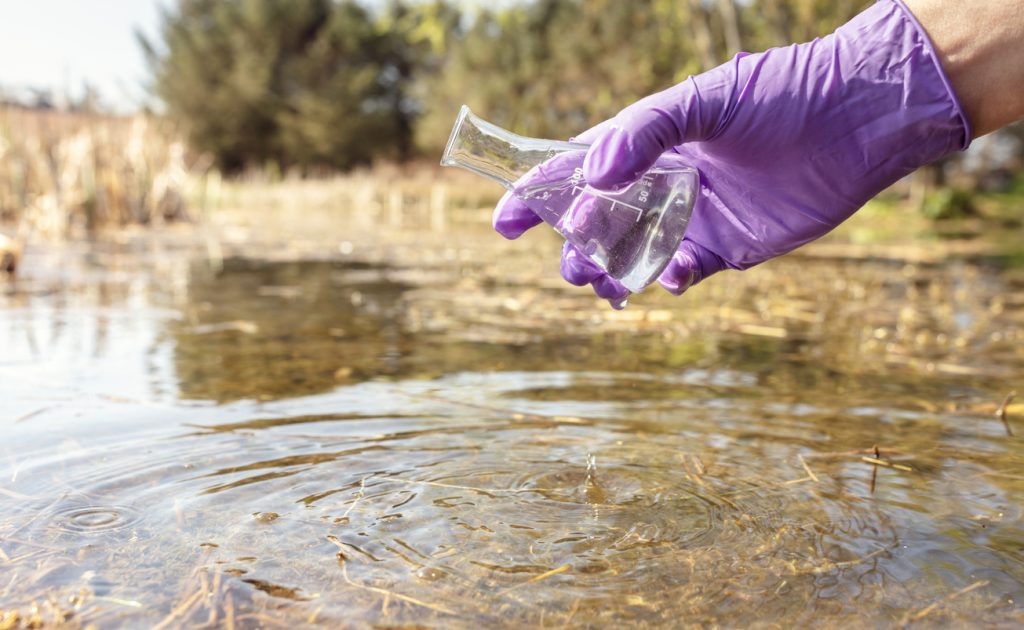
Multiparameter meters or sondes play a vital role in water quality management by enabling the simultaneous measurement of multiple parameters. This article reviews the role of multiparameter meters in water quality management, key parameters for measurement, and applications.
What is a Multiparameter Meter?
A multiparameter sonde is a sophisticated monitoring instrument with a design that allows it to measure multiple parameters simultaneously. By integrating various sensors into a single device, these sondes provide a comprehensive profile of the status of several parameters. In water quality management, this is important because there are several parameters that need monitoring such as pH, conductivity, temperature, etc. The ability to collect data on several parameters at once helps to streamline water quality assessments. This efficiency minimizes the time and other resource requirements for quality monitoring, while enhancing the accuracy of data collection.
Key Water Quality Parameters Measured by Multiparameter Meters
Although there are standard meters, the parameters that require measurement vary according to the application. As a result, sonde manufacturers usually offer customizable options that measure parameters unique to a project/application. The following sections highlight some of the most important parameters when it comes to water quality management.
pH
The pH level is a measure of the acidity or alkalinity of water, which is crucial for chemical stability, as well as aquatic life. Optimal pH levels vary depending on the specific water body and the application. However, extreme values are usually avoided, as they can disrupt biological process and harm aquatic organisms.
Dissolved Oxygen
Dissolved Oxygen is a vital indicator of water quality, essential for the survival of fish and other aquatic life. High levels of DO is indicative of good water quality, whereas low levels may be a sign of pollution.
Conductivity
This parameter measures the water’s ability to conduct electrical current, which correlates with the concentration of dissolved salts and minerals. Significant changes in conductivity can indicate pollution or influx of contaminants.
Temperature
Water temperature influences many chemical and biological processes in aquatic environments. Monitoring temperature can help predict changes in habitat conditions, species distribution, as well as thermal pollution. It also affects the solubility of gases in water, so it is important to monitor in industrial processes.
Turbidity
Turbidity measures the clarity of water and is influenced by suspended particles like sediments, organic matter, and algae. High turbidity can reduce light penetration, affecting photosynthesis and aquatic life.
Nutrients
Nutrient levels, including nitrates and phosphates, are critical for understanding the productivity of aquatic systems. Also, monitoring nutrient levels helps manage agricultural runoff and wastewater discharge. Moreover, excess nutrients can lead to eutrophication, resulting in harmful algal blooms and oxygen depletion.
Chlorophyll
Monitoring chlorophyll helps in estimating the concentration of phytoplankton in water. This is essential in environmental monitoring as high levels can indicate nutrient enrichment and potential algal blooms.
Oxidation-Reduction Potential
This is a measure of water’s ability to break down contaminants through oxidation or reduction reactions. It is useful for assessing the effectiveness of disinfection processes, as well as the presence of organic pollutants.
Toxic Substances
Some advanced sondes can measure specific toxins, heavy metals, or other harmful substances, providing essential information for managing water safety.
Advantages of Using Multiparameter Meters for Water Quality Monitoring
Multiparameter meters offer several advantages that make them indispensable in water quality management, with the following sections highlighting a few.
Comprehensive Data Collection
By simultaneously measuring multiple parameters, these devices facilitate better understanding of interrelated factors affecting water quality, thus, enabling holistic analysis. For example, monitoring how temperature influences DO levels can help identify potential risks to aquatic life.
Real-Time Monitoring
Many models offer real-time data display and logging, therefore, empowering users to detect sudden changes in water quality and take necessary actions.
Versatility
A single meter could be suitable for a wide range of applications, from environmental monitoring to industrial processes.
Ease of Use
Generally, these devices have user-friendly interfaces and automated data logging, which simplify the monitoring process.
Cost Effective
Reduces the need for multiple instruments and manual sampling, thus, saving time and resources.
Applications of Multiparameter Water Quality Meters
Because of their versatility, multiparameter water quality meters have become the mainstay in several industries. The following sections highlight some of these applications.
Environmental Monitoring
Multiparameter sondes are effective devices in the implementation of environmental monitoring programs to assess the health of aquatic ecosystems. By providing continuous data on key water quality parameters, these instruments help identify trends, detect pollution sources, and evaluate the effectiveness of remediation efforts.
Drinking Water Quality
Ensuring the safety of drinking water is a top priority for public health. Multiparameter water quality meters are mainstays in water treatment plants and distribution systems, especially for monitoring pH, conductivity, turbidity, and dissolved oxygen. This real-time monitoring helps detect potential issues before they affect the water supply.
Industrial Processes
Industries such as pharmaceuticals, food and beverage, and power generation require high-quality water for their processes. Using multiparameter meters help monitor and maintain the necessary water quality standards, ensuring the efficiency and safety of industrial operations.
Agriculture
Agriculture operations, especially hydroponics and aquaculture, depend on maintaining optimal water quality for the health and growth of organisms. Multiparameter sondes provide data on temperature, dissolved oxygen, pH, and nutrients, hence, enabling farmers to optimize conditions and improve yields.
Wastewater Management
Effective wastewater management is essential for protecting water bodies from pollution. As a result, multiparameter meters commonly serve in monitoring the quality of treated effluent before discharging into the environment. These devices are common in both municipal and industrial wastewater treatment plants to ensure compliance with regulatory standards.
Research and Education
Scientists and educators use multiparameter sondes for research and teaching purposes. These instruments provide valuable data for studying water quality dynamics, understanding ecological processes, and developing new water management strategies.
Multiparameter Water Quality Meters from Alpha
At Alpha, we offer state-of-the-art multiparameter sensors with a design that meets the diverse needs of water quality professionals. Our sondes measure key parameters such as pH, ORP, conductivity, temperature, dissolved oxygen, and turbidity. In addition, they support a range of ion-selective electrodes, including options for ammonium, nitrate, chloride, fluoride, calcium, potassium, and more. Other key features include:
- Form Factor: Up to 9 parameters in two customizable sizes.
- Measurement Capabilities: Cover a wide range of ions, with high accuracy and durability.
- Analog and Digital Outputs: Analog (millivolts) for sensors and RS-485 MODBUS RTU for sondes, with custom options available.
- Connectors: Multiple options including tinned leads, spade lugs, DIN, MOLEX, and Mil-spec connectors.
These advanced features ensure reliable, precise monitoring, making Alpha’s multiparameter meters a top choice for water quality management.