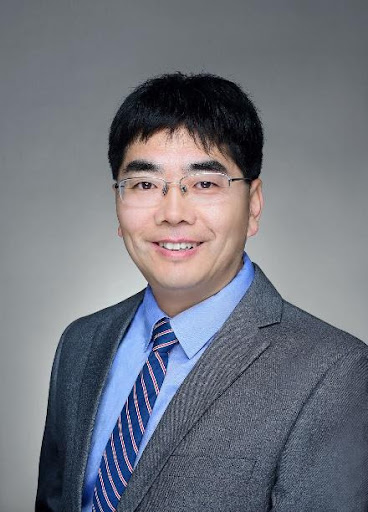
AlpHa Measurement Solutions, LLC (AlpHa) is happy to announce the hiring of Mr. Handerson Jiang as the new General Manager of Aurora Scientific Instruments (Shanghai) Co., Ltd site. Handerson will report directly to the Group Chief Operating Officer Steve Krebs, and will transition with the retiring general manager during the next few weeks.
Mr. Jiang joins AlpHa most recently from HFT Shanghai Co., Ltd, a part of the Halma group, where he served as the Operations Director at a manufacturing site for three of its companies based in the United States. In this role, Handerson was responsible for managing supply chain, procurement, production, quality, engineering, customer service, import/export, and process improvement. He was an active leader in Halma’s regular business reviews and served on many operating committees with other sister companies, giving him a strong understanding of working cross-functionally across all aspects of their businesses.
Prior to joining Halma, Mr. Jiang held roles of increasing responsibility in engineering, production, and operations at Western and Asian manufacturing companies.
Mr. Jiang earned a Bachelor’s degree from Suzhou University and an MBA from Tongji University, and has been educated in ISO standards, project management, and is a certified 6-Sigma Black Belt.