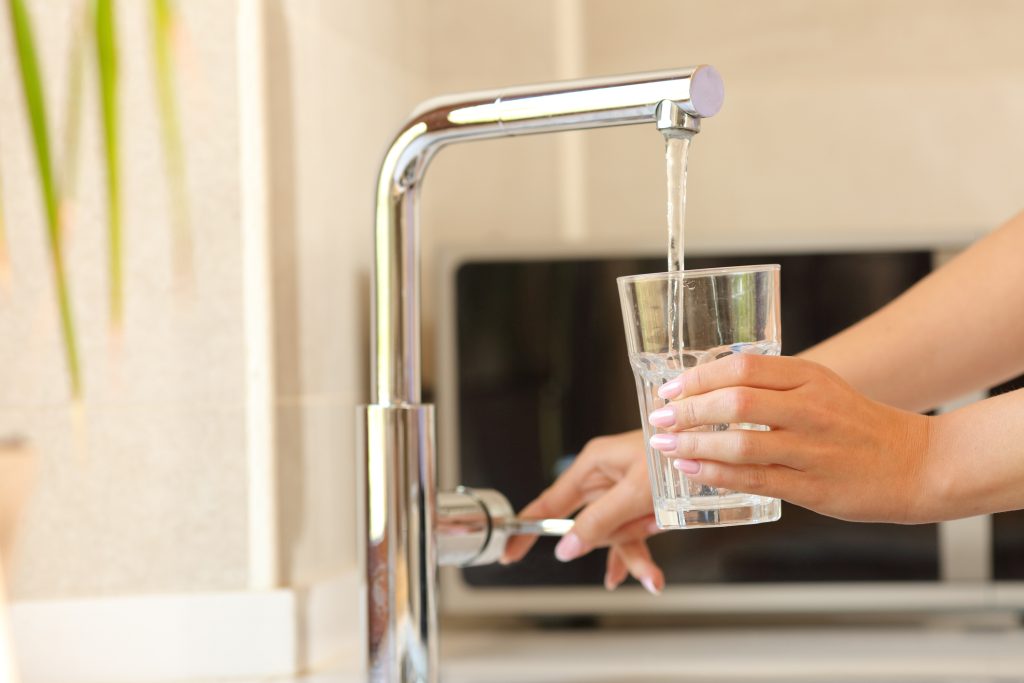
Chlorine treatment of drinking water provides a cost effective and efficient means of sanitation. However, accurately monitoring chlorine levels is necessary to maintain water quality and the safety of consumers. This article reviews what chlorine ppm in drinking water is, the safe levels of chlorine, and challenges in maintaining these levels.
What is Chlorine ppm in Drinking Water?
Chlorine ppm refers to the concentration of chlorine in water, with one ppm indicating one part of chlorine in one million parts of water. To put this into perspective, one ppm is equivalent to one milligram of chlorine in one liter of water. This measurement helps regulators and water treatment professionals ensure that chlorine levels are effective for disinfection without exceeding safe thresholds.
Why is Chlorine Added to Drinking Water
Chlorine serves in municipal water treatment facilities because of its effectiveness in killing harmful microorganisms such as bacteria, viruses, and protozoa. It is considered a key component in protecting the public from waterborne diseases, including cholera and typhoid fever. The effectiveness of chlorine as a disinfectant relies heavily on its concentration in water.
Total Chlorine vs Free Chlorine
Before discussing safe chlorine ppm in drinking water, it is necessary to introduce the concept of total chlorine vs free chlorine. Free chlorine refers to the amount of chlorine that is available to disinfect water and eliminate harmful microorganisms. It is the active form of chlorine that is yet to react with any contaminants. On the other hand, total chlorine includes both free chlorine and combined chlorine, which forms when chlorine reacts with organic matter or other compounds in the water. Monitoring free chlorine ppm levels in drinking water is essential, as inadequate amounts result in ineffective disinfection, posing health risks from waterborne diseases. Moreover, elevated total chlorine levels, particularly when combined chlorine is significant, may indicate poor water quality and potential health impacts, such as undesirable taste and odor.
Furthermore, these varying forms of chlorine also interact differently with water’s chemistry. For example, free chlorine diminishes over time and distance in the distribution system. Whereas, combined chlorine can accumulate, leading to the formation of disinfection byproducts. Therefore, accurate measurement and management of both free and total chlorine are vital for maintaining safe drinking water standards and protecting public health.
Safe Chlorine Levels in Drinking Water
Determining safe chlorine levels in drinking water is essential to protect public health. The World Health Organization set a health-based guideline on how much chlorine is added to drinking water worldwide. Their maximum chlorine value is 5 ppm in drinking water. However, most jurisdictions have their own specifications.
For example, the U.S. EPA Surface Water Treatment Rule requires a maximum residual disinfectant chlorine level of 4 ppm. It also specifies a minimum disinfectant residual of 0.2 ppm for water entering the distribution system and that a detectable level be maintained throughout the distribution system. In Canada, data from treatment plants indicate typical levels of free chlorine from 0.4 to 2.0 ppm at exit points. Specifically, intermediate points in the distribution system are from 0.4 to 1.2 ppm, and 0.04 to 0.8 ppm at the far end. In England and Wales, individual water companies maintain total chlorine ppm levels to 0.5 ppm or less.
Health Effects of High Chlorine ppm in Drinking Water
High chlorine levels in drinking water can lead to several health concerns resulting from direct exposure or through the formation of harmful byproducts. The following sections highlight some potential health effects associated with elevated chlorine concentration.
Respiratory Issues
Inhaling chlorine fumes or consuming water with high chlorine levels can irritate the respiratory system. Symptoms may include coughing, throat irritation, and difficulty breathing, especially in individuals with asthma or other respiratory conditions.
Digestive Problems
Drinking water with high chlorine ppm levels can lead to digestive issues, such as stomach discomfort, nausea, vomiting, and diarrhea.
Potential Carcinogenic Effects
Long-term exposure to high levels of chlorine and its byproducts (e.g., trihalomethanes, or THMs) in drinking water has been linked to an increased risk of certain cancers, including bladder and rectal cancer. This is supported by several studies and health agencies, including the U.S. EPA.
Taste and Odor
High chlorine levels can negatively impact the taste and odor of drinking water, making it unpalatable. While this is not a direct health effect, it can lead to decreased water consumption, potentially causing dehydration and related health issues.
How to Remove Chlorine in Drinking Water
There are several effective methods for reducing chlorine ppm in drinking water, each varying in complexity, cost, and efficiency. The following are some common techniques.
Boiling
Boiling water is one of the simplest and most effective methods to remove chlorine from drinking water at home. By bringing water to a rolling boil for about 15-20 minutes, chlorine evaporates, hence, significantly reducing its concentration. The water should be allowed to cool before consumption.
Activated Carbon Filtration
Activated carbon filters are highly effective at removing chlorine and chlorine byproducts from water. These filters contain activated carbon, which adsorbs chlorine, improving taste as well as odor. Carbon filters can be installed in pitchers, faucet-mounted systems, or whole-home filtration systems.
Reverse Osmosis
Reverse osmosis systems utilize a semi-permeable membrane to remove contaminants, like chlorine, from water. This method provides thorough purification and is effective for both chlorine and a wide range of other impurities, making it suitable for drinking water.
Chemical Neutralization
Adding chemicals such as ascorbic acid (vitamin C) or sodium metabisulfite to water can neutralize chlorine. For example, adding approximately 1 teaspoon of ascorbic acid per gallon of water can effectively dechlorinate it. This method is particularly useful in applications where there is a need to rapidly reduce chlorine levels.
Ultraviolet (UV) Light Treatment
UV light disinfection can also effectively reduce chlorine levels, along with killing pathogens in water. Incorporating this method into a water treatment system is beneficial, particularly for large volumes of water.
Distillation
Distillation involves boiling water and then condensing the steam back into a liquid. This process effectively removes chlorine, as it will not vaporize and condense with steam. However, this method can be energy-intensive and time-consuming.
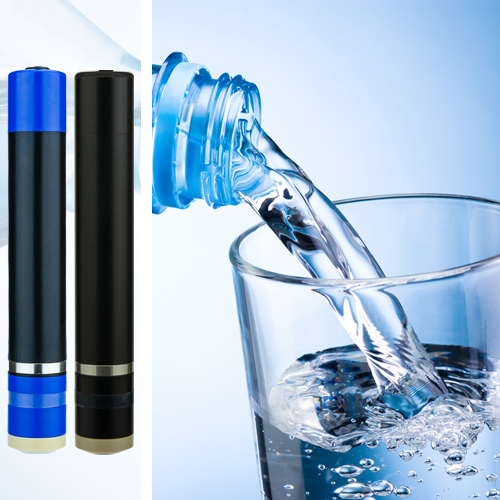
Free and Total Chlorine Sensors from Alpha
As previous sections highlight, it is necessary to continuously monitor chlorine ppm levels in drinking water from treatment to distribution. At Alpha, we provide a rich chlorine sensor portfolio with standard and customizable options to meet all your measurement needs. Our RC68 Free Chlorine sensor and RC67 Total Chlorine sensor utilize advanced amperometric technology for reliable chlorine analysis without the need for additional chemical reagents required by other analytical methods. Other features of these sensors include:
- Measurement Range Options: Available ranges include 0 – 2 ppm, 0 – 5 ppm, 0 – 10 ppm, 0 – 20 ppm, and 0 – 100 ppm (adjustable within 0 – 100 ppm).
- Output Formats: Support for both analog (4 – 20 mA or 0 – 5 V) and digital (RS-485 MODBUS RTU) outputs.
- High Accuracy and Resolution: Resolution of 0.01 ppm and an accuracy of 0.2 ppm or 4%, whichever is greater.
- Temperature Compensation: Integrated temperature compensation for reliable readings across a range of 0 to 50°C.
- Wide pH Range: Independent operation between 6 to 9 pH, with compensation available outside this range.
- Flow Rate: Minimum flow rate of 30 L/hr and a maximum of 60 L/hr.
- Quick Response Time: 90% of the final reading within 120 seconds.
- Durable Construction: Choice of various housing materials including PVC, CPVC, ABS, and Ryton, with custom options to meet specific needs.
Contact us today for more details.