


Soil Erosion Impact on Water Quality
Accelerated soil erosion directly degrades water quality by increasing turbidity, nutrient loading, and pollutant transport into rivers and reservoirs. This article explores the environmental and economic impacts of erosion and highlights how AlpHa’s turbidity and ion sensors enable continuous, data-driven mitigation.

Is Chlorine Tap Water Safe To Drink?
Chlorine plays a critical role in keeping tap water safe by disinfecting pathogens and protecting water quality throughout distribution. This article explains how chlorination works, what regulatory limits mean for consumers, and how continuous monitoring ensures safe, compliant drinking water.

pH in Beer – Why It Matters and How to Measure It
pH plays a critical role in brewing, shaping flavor, foam, color, and shelf stability from mash to packaging. This article explains how to measure, adjust, and control pH at each brewing stage to achieve consistent, high-quality beer.

AlpHa Measurement Solutions Acquired by Enpro
AlpHa Measurement Solutions LLC, a leading provider of liquid analytical sensing technologies and instrumentation, proudly announces it has been acquired by Enpro Inc, a global industrial technology company focused on critical applications across a wide range of end markets
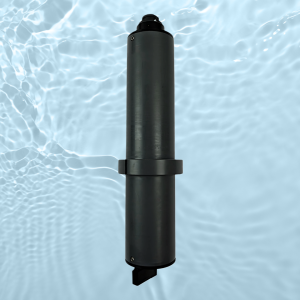
AlpHa Measurement Solutions Launches Turbidity Sensor Portfolio
AlpHa Measurement Solutions has unveiled its new TU90 Turbidity Sensor Portfolio, a laser-based, ISO 7027-compliant solution engineered for exceptional accuracy and OEM integration. With customizable configurations and leading low-range performance, the TU90 sets a new standard for turbidity monitoring.

AlpHa Measurement Solutions Launches New Fluorometer Sensor Line for Chlorophyll a, Blue Green Algae (Phycocyanin), and CDOM
In an expansion of its optical sensing platform and leveraging its patent-pending XCite fluorometer, AlpHa is proud to release the XC-CHLA, XC-BGAF, and XC-CDOM. The XC-CHLA and XC-CDOM measure Chlorophyll a and CDOM, respectively, at a market leading minimum detection limit of 0.01 part per billion (ppb).