Maintaining clean, balanced water in a swimming pool goes beyond adding chlorine and running a filter. One crucial factor that often gets overlooked is Total Dissolved Solids (TDS). This article explores what TDS is, its impact in a swimming pool, how to measure it, and the best strategies for managing high TDS levels.
What is TDS and Why is it Important in Swimming Pools?
Total Dissolved Solids (TDS) refers to all dissolved substances in a swimming pool water, including minerals, salts, metals, and organic matter. These dissolved components accumulate over time and can originate from various sources. The primary contributors to TDS include source water, which naturally contains dissolved minerals like calcium, magnesium, and sodium. In addition, pool chemicals such as chlorine, bromine, stabilizers, and algaecides contribute to TDS levels with repeated application.
Environmental factors also play a role in TDS accumulation. Rainwater, windblown dust, and organic debris introduce dissolved particles into the pool. Also, swimmers themselves contribute significantly by bringing in sweat, body oils, sunscreen, lotions, and cosmetic residues. With all of these dissolving into the water. Another major cause of rising TDS levels is evaporation. As water evaporates, dissolved solids remain behind, hence, leading to an increase in concentration. Over time, these accumulated solids can cause water chemistry imbalances and interfere with normal pool operations.
Since TDS levels gradually rise and cannot be removed through standard filtration only, regular monitoring is necessary. Proper TDS management ensures clear, clean, and chemically balanced pool water, reducing maintenance costs and also improving swimmer comfort.
Normal TDS Levels in Swimming Pools
Maintaining TDS within an acceptable range is crucial for ensuring water quality, chemical effectiveness, and preventing damage to pool systems. The ideal TDS concentration depends on the type of pool. Freshwater pools should have a TDS level between 500 and 2,000 ppm. While saltwater pools typically range from 3,000 to 6,000 ppm due to added salt for chlorine generation. Hot tubs and spas tend to have higher TDS levels because of higher temperatures, evaporation, and frequent chemical additions.
Although some level of TDS is normal and even necessary for stable water chemistry, excessive levels can create water balance issues. The general rule of thumb is that TDS should not exceed 1,500 ppm above the starting level. When TDS surpasses this threshold, pool operators often experience water clarity problems, inefficient chemical performance, and increased maintenance requirements.
Effects of High TDS on Swimming Pool Equipment
High TDS levels can have severe consequences on swimming pool equipment, affecting pumps, filters, heaters, and piping systems. The following sections highlight some common effects
Scaling and Corrosion
High TDS levels, particularly from calcium and carbonate accumulation, cause scaling on pool walls, pipes, heaters, and filtration systems. This leads to:
- Poor water circulation, thus, increasing pump workload and energy costs.
- Clogging of heat exchangers, therefore, lowering heater efficiency.
- Corrosion of metal parts, especially in stainless steel ladders, pumps, and pool fittings.
Decreased Filtration Efficiency
Dissolved solids accumulate in pool filters, hence, reducing their ability to remove debris and contaminants. As a result:
- Water becomes cloudy or murky.
- Filters require more frequent backwashing and cleaning, hence, increasing maintenance efforts.
Increased Maintenance Costs
Higher TDS levels accelerate chemical imbalances, requiring:
- More frequent water testing and adjustments.
- Additional shock treatments to maintain water clarity.
- Higher chemical costs due to lower efficiency.
Impact of High TDS on Chlorine Effectiveness
Chlorine is the primary disinfectant in swimming pools, responsible for killing bacteria, viruses, and algae. However, high TDS levels significantly impact its effectiveness. When TDS is too high, chlorine molecules bond with dissolved solids, reducing their ability to disinfect properly. As a result, pool operators must add larger doses of chlorine to achieve the same sanitizing effect, leading to higher chemical costs and potential irritation for swimmers.
Another major consequence of high TDS is the formation of chloramines and other disinfection byproducts (DBPs). Chloramines form when chlorine reacts with nitrogen-containing organic compounds from sweat, urine, and lotions. This reaction not only reduces available free chlorine but also creates strong odors, and irritates swimmers’ skin and eyes. Thus, leading to poor air quality in indoor pools. In addition, excessive TDS promotes the formation of trihalomethanes (THMs), which are potentially harmful byproducts of chlorine disinfection.
Algae growth is also more likely in pools with high TDS. Since chlorine becomes less effective, algae and bacteria can multiply rapidly, causing green or slimy pool water. This forces pool owners to use stronger algaecides and higher chlorine levels, which may further contribute to rising TDS. Without proper control, high TDS levels create a vicious cycle of poor sanitation, higher chemical demand, and worsening water quality.
How to Lower High TDS in Swimming Pools
Once TDS levels rise beyond acceptable limits, reducing them requires active intervention. The following sections highlights common methods of achieving this reduction of TDS.
Partial Drainage and Dilution
The most effective way to lower TDS is dilution, which involves partially draining the pool and replacing the water with fresh water. This method directly removes dissolved solids, restoring proper balance. However, in regions with water scarcity or high costs, dilution may not be a viable option.
Reverse Osmosis Filtration
This is an alternative solution that effectively removes dissolved salts, organic matter, and chemical contaminants while conserving water. RO systems work by forcing water through semi-permeable membranes, separating dissolved solids from the purified water. Although RO filtration requires specialized equipment, it is an excellent method for reducing TDS without excessive water waste.
Chemical Treatments and Water Conditioners
Certain chemical treatments, such as pool clarifiers and water conditioners, may help bind or remove some dissolved particles. But they do not eliminate TDS. So, these treatments should serve as a temporary fix rather than a long-term solution.
Good Pool Maintenance Practices
To prevent excessive TDS buildup, pool operators should adopt best maintenance practices, including regular filter cleaning, backwashing, and limiting unnecessary chemical additions. Using a pool cover helps reduce evaporation and chemical concentration, further slowing TDS accumulation.
How to Monitor Swimming Pool TDS
Regular TDS monitoring is essential for preventing water chemistry issues before they become serious problems. Several methods are available, ranging from basic test kits to advanced digital sensors.
Traditional test strips and liquid test kits provide quick, visual estimates of TDS levels. However, they lack precision and are often influenced by user interpretation and environmental factors. Handheld TDS meters offer a more accurate and reliable measurement by using electrical conductivity to estimate dissolved solid concentrations. These portable devices are ideal for routine testing but require manual calibration for consistent accuracy.
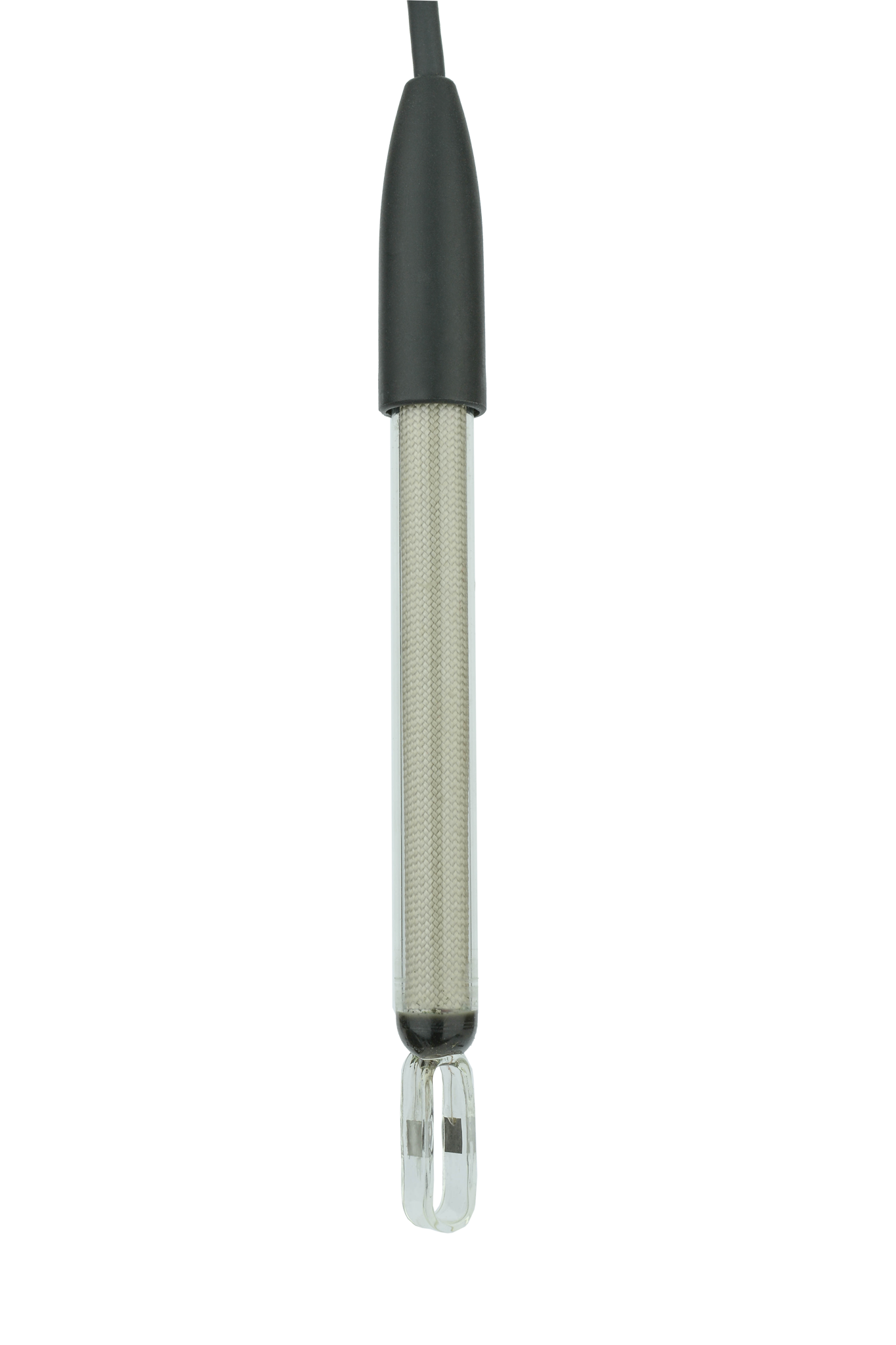
For real-time, automated monitoring, inline digital TDS sensors are the best solution. These sensors provide continuous data on TDS levels, thus, allowing pool operators to respond to changes immediately. Advanced models, like those from AlpHa Measurement Solutions, offer automatic temperature compensation, high-precision readings, and seamless integration with pool management systems. With digital sensors, pool facilities can optimize chemical dosing, reduce waste, and improve overall water quality.
AlpHa’s TDS Measurement Solutions for Swimming Pools
In freshwater pools and spas, TDS levels is determined by conductivity measurements. This is why AlpHa Measurement Solutions provides conductivity sensor solutions unique to your pool and spa applications. Our rich portfolio includes field electrodes, continuous (process) monitoring sensors, and multiparameter sensors with conductivity. These sensors come with the following features:
- Conductivity measurements ranging from 0.055 µS/cm to 1,000 mS/cm.
- Ability to operate at temperatures from -5 to 200°C.
- Contacting (two, three, and four cell) and inductive sensing designs available.
- Variety of housing material including UV resistant options for long term use in direct sunlight.
- Custom connections for a variety of flow cells.
For more details, please review our website or contact us today.