AlpHa Measurement Solutions | pH in Power Generation
pH in Power Generation
pH monitoring and control is a required parameter throughout the power generation process. For example, in coal-fired power plants, flue gas desulfurization scrubbers remove sulfur dioxide before it is released out the stack. The pH of the slurry in the absorber must be kept at a specific pH range to properly perform the sulfur dioxide removal from the flue gas and reduce maintenance costs, chemical use, and decrease equipment wear.
Boiler water with pH outside of operating range can lead to turbine failure, condenser failure, and corrosion issues throughout the piping system. The high temperatures of boiler water present unique challenges to the sensor design.
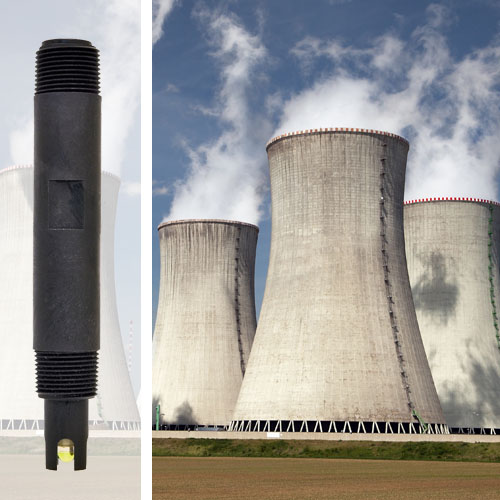
pH is a critical parameter to monitor and control in cooling tower water to avoid build up of silica and calcium carbonate scale. Inhibitors are added to cooling towers to reduce scale, however, they are ineffective if not within the specified pH range.
pH sensors are often located in remote areas for power generation applications. Sensor maintenance can be minimized with the appropriate sensor design, in particular, the housing material, reference junction, and reference electrolyte. This is critical as sensors are often located in remote areas.