Chlorine-treated tap water flows into millions of homes and businesses every day. Still, many consumers pause and ask an important question. They wonder if the smell or taste of chlorine signals danger. In reality, chlorine plays a vital role in protecting public health. Therefore, understanding chlorination helps people separate facts from myths. This article reviews chlorine tap water treatment, why residual chlorine is necessary, and how utilities ensure safety through monitoring.
What Is Chlorination and Why Is It Used?
Chlorination disinfects municipal water supplies and keeps tap water safe to drink. Water utilities add chlorine intentionally to destroy harmful microorganisms. As a result, chlorine prevents diseases that once spread easily through untreated water. Agencies around the world rely on chlorination because it works predictably and economically. In addition, chlorine remains effective long after the water leaves the treatment plant.
Municipal systems use chlorine for several clear reasons. First, it kills bacteria and viruses quickly. Next, it protects pipes, storage tanks, and reservoirs from biological regrowth. Finally, it maintains water quality during long distribution journeys. Because of these benefits, chlorination remains one of the most trusted tools in drinking water treatment.
How Chlorination Works in Tap Water Systems
Chlorination works through direct chemical action in the water. Operators add carefully calculated doses to treated surface water or groundwater. Then, the chlorine reacts with cell walls and internal structures of pathogens. This reaction disables microorganisms and makes them harmless. However, the process does not stop there. Utilities also maintain a small protective concentration called residual chlorine.
Residual chlorine guards the water supply after treatment. It continues killing microorganisms that may enter later through leaks or contamination. Consequently, this residual forms a safety barrier across the water supply network. Without residual chlorine, tap water could become unsafe before it reaches the consumer. For this reason, utilities monitor and control chlorine dosing continuously.
Acceptable Chlorine Limits in Tap Water from EPA and WHO
The safety of chlorine tap water depends on staying within established limits. The U.S. Environmental Protection Agency sets a Maximum Residual Disinfectant Level (MRDL) of 4 mg/L for drinking water. Meanwhile, the World Health Organization recommends free chlorine residuals between 0.2 and 5 mg/L, depending on location and system needs. Most countries adopt similar regulatory frameworks to protect public consumption.
These limits ensure two goals at once. First, they guarantee enough chlorine to disinfect turbid water effectively. Also, they prevent excessive chlorination that might affect health or taste. Therefore, acceptable chlorine tap water is safe because utilities operate below MRDL thresholds. Regular testing, audits, and sensor monitoring help water plants confirm compliance.
Health and Environmental Benefits of Chlorine Tap Water
Chlorine tap water delivers measurable benefits to communities. Historically, chlorination reduced outbreaks of cholera, typhoid, and dysentery. Today, it still protects millions of people from waterborne pathogens. Because chlorine-treated water reaches every faucet, it supports hospitals, schools, restaurants, and industries safely.
Moreover, chlorination is environmentally practical. It requires relatively low energy compared to advanced treatments. It also remains affordable for developing regions that treat surface waters with varying turbidity levels. As a result, chlorine helps cities grow and thrive. Clean water improves sanitation and life expectancy across the globe. Therefore, when utilities apply chlorine correctly, both human and environmental health improve together.
Possible Side Effects of Excess Chlorine in Tap Water
Although chlorine tap water is safe at regulated levels, problems arise when doses climb too high. Excess chlorine creates a strong taste and odor that many consumers dislike. In addition, very high residuals may irritate skin, eyes, or mucous membranes. Sensitive individuals sometimes notice stomach discomfort after drinking heavily chlorinated water.
More serious concerns involve disinfection by-products. When chlorine reacts with organic matter in turbid water, compounds such as trihalomethanes (THMs) can form. Therefore, utilities control chlorine carefully to balance disinfection with by-product minimization. Excess chlorination is uncommon in well-run water plants because continuous compliance monitoring prevents it. In short, the goal is to disinfect effectively without overusing reagents.
Methods for Removing Excess Chlorine
Consumers sometimes wish to remove chlorine even when the water is safe. Fortunately, several simple methods reduce residual chlorine effectively.
Common approaches include:
- Activated carbon filtration.
- Boil water to allow chlorine to dissipate.
- Aeration or letting water stand in open pitchers.
- Reverse osmosis systems.
- Ultraviolet treatment combined with filtration.
- Neutralizers such as sodium thiosulfate.
Each method improves cloudiness, odor, and flavor without compromising base disinfection. Therefore, households can customize water quality to personal preference. However, removing chlorine is optional because the presence of residual disinfectant does not make water unsafe.
Tips for Improving Taste and Odor
If tap water tastes sharp, simple habits help. First, refrigerate drinking water in clean containers. Cold temperatures allow volatile chlorine odors to fade. Next, use point-of-use filter cartridges in pitchers or under-sink units. These small filtration systems remove organic matter and suspended particles that contribute to unpleasant aromas. Finally, maintain plumbing and avoid excessive agitation at the faucet.
By taking these steps, consumers enjoy clear water with better flavor. Nevertheless, the water remains safe because utilities have already disinfected it properly. Therefore, taste improvements complement, rather than replace, municipal quality control.
FAQs on Chlorine Tap Water
Q: Why does my tap water smell strongly of chlorine?
A: The plant may temporarily increase doses to address high turbidity or microorganisms.
Q: Is bottled water safer than chlorinated tap water?
A: Not necessarily. Well-monitored chlorine tap water meets strict regulations and is safe.
Q: What is the difference between free and total chlorine?
A: Free chlorine is available for disinfection. Total chlorine includes combined forms.
Q: How can I test chlorine at home?
A: Use a portable turbidity meter or residual chlorine test kit for simple checks.
Q: Can chlorine in water cause serious illness?
A: Only at levels far above regulatory limits, which are uncommon in compliant systems.
How Residual Chlorine Is Measured and Reported
Generally, utilities measure turbidity and residual chlorine as companion parameters. Technicians collect water samples from treatment stages and distribution points. Then, they analyze free chlorine or total chlorine using approved methods. Results are reported in parts per million (ppm) or milligrams per liter.
Free chlorine represents the amount available for active disinfection. Total chlorine represents the sum of free chlorine and combined chlorine bound to ammonia or organic compounds. Therefore, plants track both values to ensure the safety of the water supply. Regular measurement verifies that filtration systems remove suspended particles and microorganisms before disinfection. Because residual chlorine must stay within legal limits, accurate instruments are essential.
Sensors Used for Monitoring Residual Chlorine
Modern water treatment plants depend on chlorine sensors to replace manual testing. These sensors utilize either amperometric or optical technology to measure turbidity and chlorine levels in real-time. Inline probes sit directly in pipes and continuously measure residual disinfectant. Digital outputs transmit structured data to PLC and SCADA systems. Therefore, sensors enable operators to respond more quickly than lab tests alone.
Reliable sensors are critical when turbidity levels change due to runoff or seasonal shifts. They help utilities confirm that the amount of light lost in turbid water does not compromise measurement accuracy. Advanced chlorine sensors operate reagent-free, reducing maintenance burdens. Consequently, digital monitoring platforms improve both safety and efficiency.
Free and Total Chlorine Sensors from AlpHa
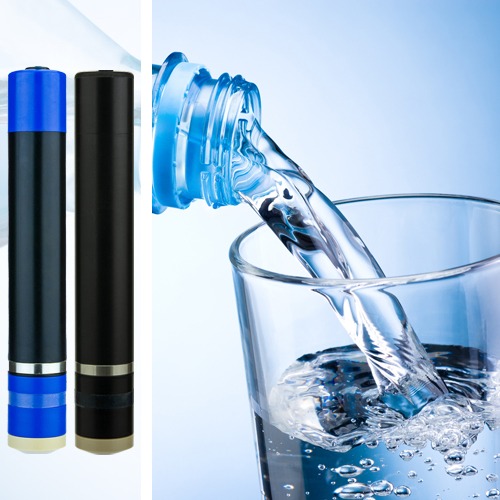
As previous sections highlight, it is necessary to continuously monitor chlorine ppm levels in drinking water from treatment to distribution. At AlpHa, we provide a rich chlorine sensor portfolio with standard and customizable options to meet all your measurement needs. Our RC68 Free Chlorine sensor and RC67 Total Chlorine sensor utilize advanced amperometric technology for reliable readings without additional chemical reagents.
Other important features include:
- Measurement Range Options: Available ranges include 0–2 ppm, 0–5 ppm, 0–10 ppm, 0–20 ppm, and 0–100 ppm, all adjustable within 0–100 ppm.
- Output Formats: Supports analog outputs such as 4–20 mA or 0–5 V and digital outputs via RS-485 MODBUS RTU.
- High Accuracy and Resolution: Provides 0.01 ppm resolution with accuracy of 0.2 ppm or 4%, whichever is greater.
- Temperature Compensation: Integrated compensation ensures reliable readings from 0 to 50°C.
- Wide pH Range: Operates effectively between pH 6 to 9 with compensation available outside this range.
- Flow Rate Capability: Functions at a minimum flow of 30 L/hr and a maximum of 60 L/hr.
- Quick Response Time: Achieves 90% of the final reading within 120 seconds.
- Durable Construction: Available in PVC, CPVC, ABS, Ryton®, and other custom housing materials.
Final Thoughts
Chlorine-treated tap water is safe to drink when utilities apply proper dosing and monitoring. Residual chlorine protects the water supply throughout distribution. Therefore, the presence of chlorine is a sign of protection, not danger. High turbidity and organic matter require careful control to prevent excessive chlorination. With modern optical sensors and disciplined calibration, utilities maintain both clarity and safety. As a result, consumers receive clean, compliant, and dependable water at every faucet.