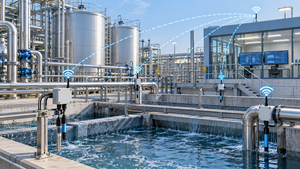
Introduction: A New Era for Water Quality Oversight
The UK Environment Act 2021 represents one of the most significant regulatory developments for water management in decades. Designed to strengthen environmental protections across England, Wales, Scotland, and Northern Ireland, the legislation places new responsibilities on water companies to improve transparency, reduce pollution, and better safeguard aquatic ecosystems. One of the key changes introduced by the Act is the increasing emphasis on continuous water quality monitoring. Rather than relying solely on periodic sampling and laboratory analysis, regulators and water utilities now need to implement monitoring systems capable of collecting real-time environmental data.
These monitoring programs focus on critical water-quality parameters, including dissolved oxygen, pH, temperature, turbidity, and ammonia. Together, these measurements provide a comprehensive view of ecosystem health and pollution risks. By capturing continuous data, water companies can detect pollution events earlier, improve operational decisions, and demonstrate regulatory compliance. As environmental oversight becomes more data-driven, advanced sensor technologies play a central role in enabling reliable, real-time monitoring of rivers, wastewater treatment systems, and other water bodies.
Understanding the UK Environment Act 2021
The Environment Act 2021 was introduced to establish a stronger legal framework for environmental protection following the UK’s departure from the European Union. The legislation addresses multiple areas of environmental policy, including air quality, biodiversity protection, waste management, and water quality. Within the water sector, the Act aims to improve oversight of wastewater discharges, reduce pollution events, and ensure that water companies operate with greater transparency.
Key objectives of the Act include:
- Protecting and restoring aquatic ecosystems.
- Reducing pollution in rivers and coastal waters.
- Increasing public access to environmental data.
- Strengthening regulatory enforcement mechanisms.
A particularly important focus of the legislation is the monitoring of combined sewer overflows (CSOs) and wastewater discharges. Historically, many of these systems were monitored using periodic sampling or event-based measurements. However, these approaches often failed to capture short-term pollution spikes or rapidly changing environmental conditions. As a result, the Act has accelerated the adoption of continuous monitoring technologies, allowing regulators and water companies to track water quality parameters in real time.
Why Continuous Water Quality Monitoring Is Essential
Traditional water quality monitoring typically relies on manual sampling and laboratory analysis. While these methods provide accurate measurements, they offer only a snapshot of environmental conditions at a specific moment in time.
In dynamic aquatic environments, water quality can change rapidly due to rainfall events, industrial discharges, biological activity, or operational issues within wastewater infrastructure. When sampling occurs only once per day, or even less frequently, significant pollution events may go undetected. Continuous monitoring addresses these limitations by providing high-resolution datasets that reveal how water quality changes throughout the day.
Key advantages of continuous monitoring include:
- Early detection of pollution events: Real-time alerts allow operators to respond quickly when abnormal conditions occur.
- Improved regulatory compliance: Continuous data records demonstrate that monitoring requirements are being met and help verify compliance with environmental permits.
- Better operational decision-making: Water utilities can optimize treatment processes and infrastructure management based on real-time environmental feedback.
- Greater transparency: Public access to environmental data strengthens trust and accountability within the water sector.
As regulators demand more comprehensive monitoring programs, continuous measurement systems are becoming essential tools for environmental protection.
Key Water Quality Parameters Required for Monitoring in the UK Environment Act 2021
To effectively assess ecosystem health and identify pollution risks, monitoring programs focus on several critical water quality parameters. Each of these measurements provides unique insights into environmental conditions and potential contamination events.
Dissolved Oxygen
Dissolved oxygen (DO) is one of the most important indicators of aquatic ecosystem health. Oxygen dissolved in water supports the respiration of fish, invertebrates, and aerobic microorganisms. Low oxygen levels can occur when organic pollution enters waterways, triggering microbial activity that consumes oxygen during decomposition. This process can lead to hypoxic conditions, which threaten aquatic life.
Continuous monitoring of dissolved oxygen helps environmental managers:
- Detect organic pollution events.
- Identify eutrophication risks.
- Assess overall ecosystem health.
Real-time DO measurements are particularly valuable in rivers and lakes that experience fluctuating biological activity or nutrient inputs.
pH
pH measures the acidity or alkalinity of water and plays a critical role in chemical reactions within aquatic environments.
Changes in pH can influence:
- Nutrient availability.
- Metal solubility.
- Toxicity of pollutants.
- Biological processes.
For example, ammonia becomes significantly more toxic to aquatic organisms at higher pH levels. Even small pH fluctuations can therefore alter ecosystem dynamics. Continuous pH monitoring helps water utilities detect contamination events, maintain stable treatment processes, and ensure regulatory compliance.
Temperature
Water temperature affects nearly every chemical and biological process within aquatic systems.
Temperature influences:
- Dissolved oxygen solubility.
- Metabolic rates of aquatic organisms.
- Chemical reaction speeds.
- Microbial activity.
Warmer water holds less dissolved oxygen, which can increase stress on fish and other aquatic life. Temperature also affects how pollutants behave in water. Because of these interactions, temperature monitoring is often used to contextualize other water quality measurements. Continuous temperature sensors provide valuable data for interpreting environmental conditions and understanding seasonal ecosystem changes.
Turbidity
Turbidity measures the amount of suspended particles in water. These particles may include sediment, organic matter, microorganisms, or pollutants.
High turbidity levels can result from:
- Stormwater runoff.
- Construction activity.
- Erosion.
- Wastewater discharges.
Excessive turbidity reduces water clarity, limits light penetration, and can damage aquatic habitats. It may also transport harmful contaminants attached to sediment particles. Continuous turbidity monitoring allows environmental managers to detect sediment disturbances, track storm events, and identify pollution sources.
Ammonia
Ammonia is a key indicator of wastewater contamination and agricultural runoff. It is commonly found in sewage, fertilizers, and industrial discharges. In aquatic environments, ammonia can be highly toxic to fish and invertebrates. Even small concentrations may cause stress or mortality, particularly when combined with elevated pH levels. Monitoring ammonia levels is therefore essential for protecting aquatic ecosystems and ensuring compliance with discharge permits.
Continuous ammonia monitoring allows operators to:
- Detect treatment failures.
- Identify pollution sources.
- Prevent ecological damage.
Ion-selective electrodes and advanced sensor technologies now enable reliable in-situ ammonia measurement in both wastewater and environmental monitoring applications.
Implementing Continuous Monitoring Programs
As regulatory frameworks evolve, water companies are expanding their environmental monitoring infrastructure.
Typical monitoring locations include:
- Wastewater treatment plant effluent points.
- Combined sewer overflow discharge locations.
- Rivers and streams downstream of urban areas.
- Environmental monitoring stations in lakes or reservoirs.
- Bathing water sites used for recreation.
Data collected from these monitoring networks is often transmitted to centralized systems where it can be analyzed, visualized, and reported to regulators. Advanced analytics tools can further enhance these programs by identifying long-term trends, predicting pollution risks, and improving operational decision-making.
Enabling Compliance with the UK Environment Act with Advanced Sensor Technologies
As the UK Environment Act 2021 accelerates the transition toward continuous environmental monitoring, water utilities and environmental agencies must deploy measurement technologies capable of delivering reliable, real-time data in demanding field conditions. Monitoring requirements for parameters such as dissolved oxygen, pH, temperature, turbidity, and ammonia demand sensors that combine accuracy, durability, and seamless integration with modern data systems.
AlpHa Measurement Solutions develops intelligent liquid sensing technologies designed specifically for long-term environmental and industrial monitoring. These sensors provide the precision and reliability needed for continuous water quality measurement programs across rivers, wastewater treatment facilities, and environmental monitoring networks.
Several features of AlpHa’s sensor technologies make them particularly well-suited for compliance with modern regulatory frameworks such as the Environment Act 2021:
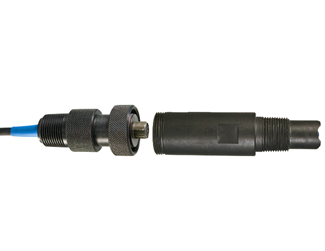
High Accuracy and Measurement Stability
Continuous monitoring programs require sensors that maintain calibration stability over extended deployments. AlpHa electrochemical and optical sensors are engineered to deliver highly accurate measurements with minimal signal drift, ensuring dependable data for regulatory reporting and environmental analysis.
Fast Response Time for Real-Time Monitoring
Rapid response times allow monitoring systems to detect changes in water quality conditions quickly. This capability is essential for identifying pollution events, treatment process upsets, or ecosystem disturbances before they escalate into larger environmental impacts.
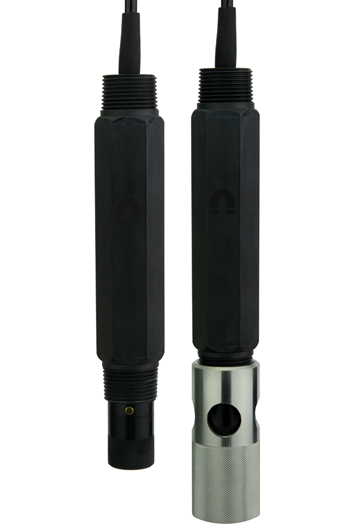
Wide Operating Ranges for Diverse Environments
Environmental monitoring stations may operate in a wide range of temperatures and water chemistries. AlpHa sensors are designed to perform reliably across broad temperature ranges and variable water conditions, supporting deployment in rivers, wastewater systems, and coastal environments.

Advanced Electrochemical and Optical Measurement Technologies
AlpHa’s portfolio includes sensors utilizing electrochemical, optical, and ion-selective measurement methods. These technologies support continuous measurement of key regulatory parameters such as:
- Dissolved oxygen
- pH
- Temperature
- Turbidity
- Ammonia and other ion-selective analytes

By combining multiple sensing approaches, monitoring systems can generate comprehensive datasets that provide a more complete picture of water quality conditions.
Flexible Integration with Monitoring Platforms
Environmental monitoring networks rely on seamless data integration with supervisory control systems, telemetry networks, and remote monitoring platforms. AlpHa sensors support both analog and digital output options, including standard signals such as 4–20 mA and MODBUS protocols, allowing straightforward integration with modern data acquisition infrastructure.
Customizable Sensor Configurations
Water monitoring applications often present unique mechanical and environmental requirements. AlpHa’s vertically integrated development and manufacturing capabilities allow customization of sensor housing materials, electrode designs, and mechanical assemblies to meet the specific demands of environmental monitoring installations.
Durability for Long-Term Deployment
Sensors deployed in natural water bodies must withstand biofouling, sediment exposure, and fluctuating environmental conditions. AlpHa sensors are engineered for rugged performance and long operational lifetimes, helping reduce maintenance requirements and improve overall monitoring reliability.
As regulatory expectations continue to evolve, continuous water quality monitoring will become an increasingly critical component of environmental protection strategies. By providing accurate, stable, and easily integrated sensing technologies, AlpHa Measurement Solutions enables water utilities, regulators, and environmental agencies to build monitoring systems capable of meeting the stringent requirements introduced by the UK Environment Act 2021 while safeguarding aquatic ecosystems for the future.