In the pulp and paper industry, maintaining precise control over pH and liquid conductivity is critical because it influences product quality and process efficiency. As a result, monitoring these parameters is key at various stages of production, including the treatment of wastewater. This article explores the significance of pH and conductivity in the pulp and paper industry, highlighting their impact on overall operational success.
Pulp and Paper Process
Maintaining optimal pH and conductivity levels is crucial at all stages in paper making, as the following sections highlight.
Conductivity and pH in Water Treatment
Water treatment is a critical first step in the pulp and paper manufacturing process. Maintaining optimal pH and conductivity levels ensures that high-quality water is used throughout production. Measurement and adjustment of pH levels during this stage help to prevent scaling and corrosion in pipes and equipment. Moreover, proper pH balance is necessary for the effectiveness of coagulation and flocculation processes. These processes serve to remove impurities from the water. Conductivity measurements help monitor the concentration of dissolved solids, thus, ensuring that water serving in the production process is within acceptable quality standards. By maintaining optimal pH and conductivity levels during water treatment, there is consistent supply of high-quality water for efficient production.
Conductivity and pH in Chemical Processing
In the chemical processing stage, pH and conductivity monitoring are essential for controlling reactions during pulping and bleaching. Pulping involves breaking down wood chips into fibers. During this process, precise pH control, above 8, optimizes the effectiveness of chemicals like sodium hydroxide and sulfur compounds. Whereas, incorrect pH levels can lead to inefficient pulping, resulting in poor fiber quality and increased chemical consumption. Conductivity measurements help monitor the concentration of these chemicals, ensuring their efficient and effective use. When bleaching, pH control is crucial to achieving the desired level of whiteness without damaging the fibers. Usually, this should be between 9 to 11 for alkaline bleaching stages, whereas acid stages are between 4 and 6. Conductivity monitoring ensures proper dosing of bleaching agents, which optimizes the bleaching process and minimizes waste.
Final Product Quality Control
The final product quality control stage relies heavily on pH and conductivity measurements as well. This is to ensure that the finished paper meets industry standards and customer specifications. A paper’s pH will influence surface properties such as printability and resistance to aging. Maintaining a neutral pH ensures that the paper is neither too acidic nor too alkaline, preventing degradation over time. Conductivity measurements are used to monitor the ionic content of the paper, which can affect its electrical properties and suitability for various applications.
Wastewater Treatment in Paper and Pulp Industry
Conductivity and pH measurements also play a key role in wastewater treatment, after paper production is complete.
Pulp and Paper Wastewater Characteristics
Wastewater from the pulp and paper industry is complex and contains various pollutants. These pollutants include organic matter, suspended solids, chemicals, as well as dissolved salts. The effluent’s high organic content, along with chemical additives from the paper-making process poses significant treatment challenges. So, effective management of pH and conductivity is necessary to ensure that wastewater meets environmental regulations.
Impact of pH and Conductivity in Wastewater Treatment
- pH Control: Maintaining optimal pH levels is vital in wastewater treatment. The pH affects the efficiency of various treatment processes, such as coagulation, flocculation, and biological treatment. For instance, an optimal pH range enhances the performance of coagulating agents, aiding in the removal of suspended solids and reducing turbidity. In biological treatment, microorganisms responsible for breaking down organic matter thrive within specific pH ranges. Deviations from these ranges can hinder microbial activity, reducing treatment efficiency and potentially leading to regulatory non-compliance.
- Conductivity Monitoring: Conductivity measurements are essential for assessing the concentration of dissolved salts and ionic compounds in wastewater. High conductivity indicates elevated levels of dissolved solids, which can affect downstream treatment processes and environmental discharge standards. Monitoring conductivity helps in optimizing chemical dosing, reducing the risk of scaling and fouling in treatment equipment. Additionally, it ensures that the treated effluent meets the required standards for discharge or reuse, protecting aquatic ecosystems and complying with environmental regulations.
Benefits of Conductivity and pH Measurement in the Pulp and Paper Industry
There are several key benefits of investing in pH and conductivity measurement solutions in paper production facilities, which need to be further highlighted. These benefits include preventing equipment corrosion, improving paper strength, as well as enhancing overall production efficiency.
Preventing Equipment Corrosion
Maintaining appropriate pH levels in the pulp and paper manufacturing process is essential to prevent equipment corrosion. Having either a highly acidic or alkaline environment can accelerate the wear and tear of machinery. As a result, equipment downtime increases and costly repairs occur. So, continuous monitoring of pH levels of water and chemical solutions helps to maintain a safe pH range, as operators can quicky identify abnormalities, and adjust process parameters. Conductivity measurements also play a role in corrosion prevention by indicating the concentration of dissolved ions in water. The presence of these ions can contribute to corrosive environments. By keeping conductivity within optimal levels, facilities can minimize the risk of corrosion, prolonging the lifespan of their equipment and reducing maintenance costs.
Improving Paper Strength
Liquid conductivity and pH measurements are vital in optimizing the conditions for producing strong and durable paper. The pH level affects the fiber bonding and the interaction of chemicals that serve in the pulping process. For example, an acidic environment can weaken the fibers, while a balanced pH promotes better fiber bonding, resulting in stronger paper. Conductivity measurements help ensure that the concentration of chemicals, such as sizing agents and retention aids, is within an acceptable range. This balance is critical for achieving the right paper properties, such as tensile strength, tear resistance, and surface smoothness. By maintaining optimal pH and conductivity levels, manufacturers can produce high-quality paper that meets industry standards and customer expectations.
Enhancing Overall Production Efficiency
Optimal pH and conductivity levels contribute significantly to the efficiency of the pulp and paper production process. Monitoring pH helps in controlling the acidity or alkalinity of the water and chemicals in use. This is necessary because it can impact various stages of production, from pulping to bleaching and paper formation. Consistent pH levels ensure that chemical reactions proceed as intended, reducing the likelihood of process disruptions and improving yield. Conductivity measurements reveal the concentration of dissolved solids in process water, which affects the efficiency of chemical usage and water treatment processes. By maintaining proper conductivity levels, facilities can optimize chemical use, reduce waste, and also improve overall operation efficiency.

Integrated Approach to Measurement of pH and Conductivity by Alpha
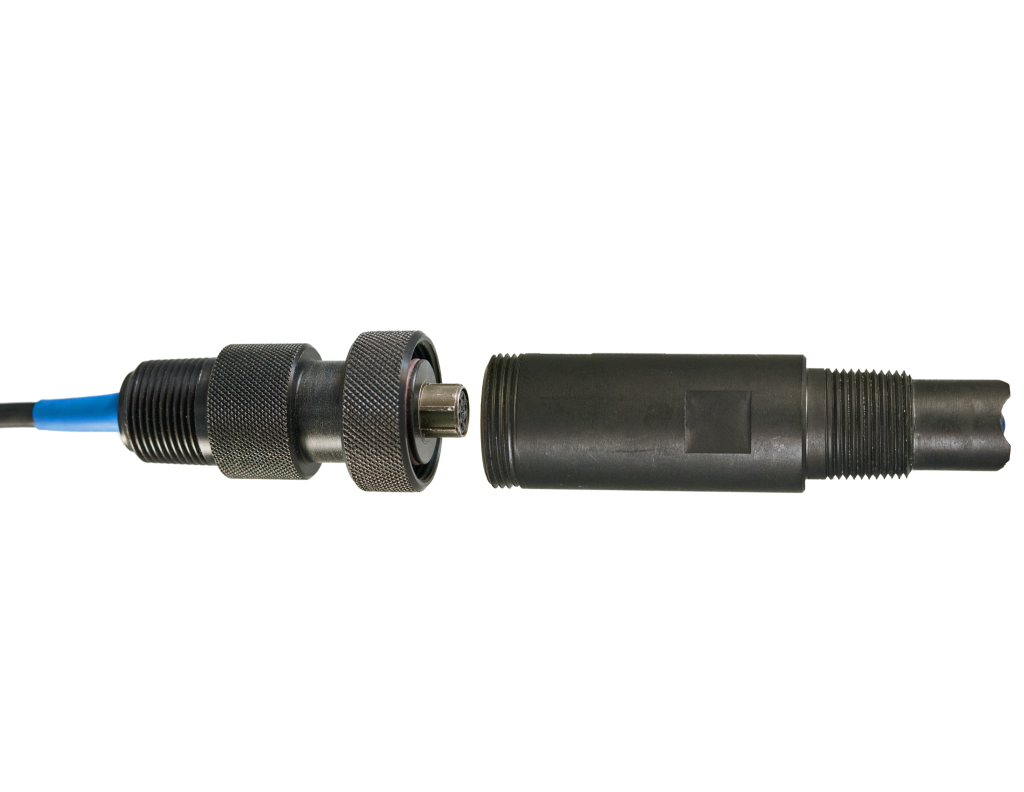
As the pulp and paper industry advances, the need for reliable and precise measurement solutions becomes even more critical. At Alpha, we have an array of standard and custom electrodes to handle your pH and conductivity measurement needs. Also, we have a 4-electrode conductivity probe and a combination pH/ORP electrode with a design specifically for paper mills. These are available with various meter/transmitter connections like the I-2000 Universal transmitter. The I-2000 provides unique configuration options, along with features that meet specific needs of the pulp and paper industry.

I-2000 Universal Transmitter Features
- Multi-Parameter Capability: Measures pH, ORP, conductivity, ion-selective electrodes, chlorine, and dissolved oxygen, hence, making it a comprehensive solution.
- Dual Channel Combination: Offers a unique dual-channel combination of analog and digital inputs, as well as single/dual-channel analog and digital inputs. Thereby providing flexibility and adaptability.
- Automatic Temperature Sensor Detection: Enhances accuracy by automatically detecting the temperature sensor, ensuring precise readings under varying conditions.
- User-Friendly Interface: Features an intuitive menu structure with flexible configurations, allowing for easy setup and operation in any industrial environment.
- One-Button Display Change: Simplifies data interpretation with a one-button display change from mV to pH for graphing. Therefore, facilitating quick and efficient analysis.
Critical Performance Specifications
- pH Range: 1 to 15 pH, with an accuracy of ±0.02 pH and a response time of 10 seconds.
- Conductivity Range: 0.055μS ─ 2.00S Auto Ranging (μS, mS, S)
- Temperature Range: -30 to 140°C, with a common temperature accuracy of ±0.3°C.
- Enclosure: Polycarbonate, NEMA 4X, weatherproof, ½ DIN, (L x W x D) 5.7” x 5.7” x 3.5” (14.4cm x 14.4cm x 9.0cm).