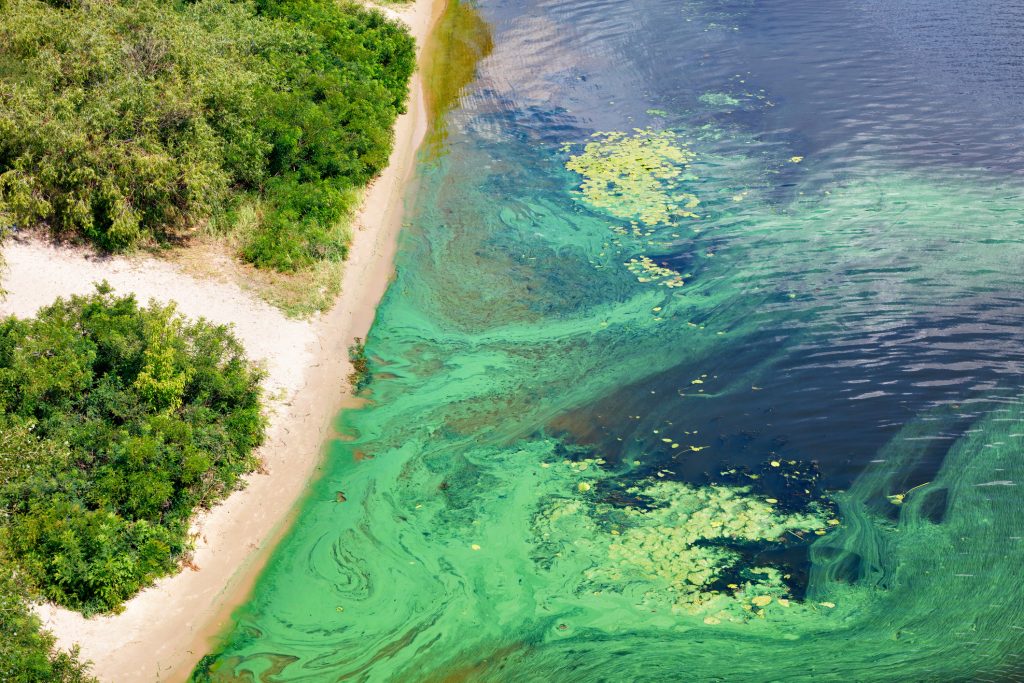
Blue-green algae, or cyanobacteria, play a significant role in aquatic ecosystems. However, excessive growth can lead to harmful algal blooms (HABs), which negatively impact water quality, aquatic life, and human health. These blooms could result from a variety of factors, creating severe ecological and economic consequences. In this article, we explore blue-green algae, their impact, methods of control, and the role of sensor technology in managing the ecosystem.
What Are Blue-Green Algae and Harmful Algal Blooms?
Blue-green algae (BGA), are microscopic organisms often in freshwater and marine environments. Under normal conditions, they contribute to the ecosystem by producing oxygen and serving as a food source for aquatic organisms. However, excess nutrients, particularly nitrogen and phosphorus, promote their rapid proliferation, resulting in HABs.
HABs occur when cyanobacteria multiply uncontrollably, forming dense surface scums or discoloring the water. These blooms not only degrade water quality but can also produce harmful toxins. Thus, affecting drinking water supplies, recreational waters, and aquatic habitats.
Common causes of HABs include:
- Nutrient Overload – Agricultural runoff, wastewater discharge, and also urban stormwater introduce excess nitrogen and phosphorus into water bodies.
- Climate Change – Rising temperatures and changing precipitation patterns can create favorable conditions for bloom formation.
- Stagnant Water – Poor water circulation and high retention times in lakes as well as reservoirs contribute to algal growth.
- Excessive Sunlight – Prolonged sunlight exposure enhances photosynthesis, leading to accelerated bloom development.
Impact of Harmful Algal Blooms on Water Quality
HABs pose significant environmental and health risks, affecting aquatic life, drinking water supplies, and recreational activities as the following sections highlight.
Oxygen Depletion and Fish Kills
As cyanobacteria grow and die, microbial decomposition consumes large amounts of dissolved oxygen, leading to hypoxic (low oxygen) or anoxic (oxygen-free) conditions. This results in fish kills and also disrupts the entire aquatic food web.
Toxin Production
Certain cyanobacteria, such as Microcystis and Anabaena, release toxins that are harmful to humans, pets, and wildlife. Moreover, these toxins can cause skin irritation, liver damage, neurological effects, and, in severe cases, fatalities.
Drinking Water Contamination
HABs can overwhelm water treatment plants, as conventional filtration methods struggle to remove algal toxins effectively. Contaminated drinking water can lead to public health crises, requiring costly mitigation efforts. For example, in 2014, a major HAB in Lake Erie prompted the city of Toledo, Ohio, to issue a “do not drink” order for tap water that affected nearly 500,000 people for three days. Large algal bloom events have had significant consequences on local water supplies and economies. The economic toll of HABs in the United States is estimated to be billions of dollars annually.
Economic and Recreational Losses
HABs impact tourism, fishing industries, and recreational activities by reducing water clarity, producing foul odors, thus, making human interaction unsafe.
Methods for Controlling and Preventing Algal Blooms
After detection of algal blooms, there is need for the deployment of mitigation measures. Some common measures are as follows:
Nutrient Management
- Implement best management practices (BMPs) in agriculture to reduce fertilizer runoff.
- Upgrade wastewater treatment facilities to limit nutrient discharge.
- Establish buffer zones along water bodies to filter pollutants before they enter the ecosystem.
Aeration and Water Circulation
- Install aerators in lakes and reservoirs to prevent stagnant conditions.
- Use mixing devices to promote water movement as well as disrupt algal formation.
Biological Control
- Introduce filter-feeding organisms, such as mussels or certain fish species, to naturally regulate algae populations.
- Encourage the growth of submerged aquatic plants, which compete with algae for nutrients and light.
Chemical Treatments
- Apply algaecides cautiously, so that they do not harm non-target organisms.
- Use environmentally friendly treatments such as hydrogen peroxide-based solutions, to reduce toxicity risks.
Advanced Monitoring with Sensors
- Deploy real-time blue-green algae sensors to track changes in algal concentrations.
- Integrate sensor data with predictive models to forecast bloom events and also take preventive action.
The Role of Blue-Green Algae Sensor Technology in Algal Bloom Prevention
Early detection is crucial for managing and mitigating HABs. This is where advanced monitoring tools, such as a blue-green algae sensor, become essential. These sensors provide real-time data on algal concentrations, enabling proactive water management. Blue-green algae sensors detect phycocyanin, a pigment unique to cyanobacteria. By measuring its fluorescence, these sensors provide an accurate assessment of algal presence and concentration in water bodies.
Key benefits of blue-green algae sensors include:
- Real-time Monitoring – Immediate data collection helps identify bloom formation before it reaches hazardous levels.
- Early Warning Systems – Enables water managers to implement corrective measures, such as aeration or nutrient reduction.
- Automated Data Collection – Reduces reliance on manual water sampling, therefore, improving efficiency and accuracy.
- Regulatory Compliance – Supports water quality management programs and also helps meet environmental regulations.
Traditional water testing methods, such as microscopy or lab-based fluorescence measurements, can be time-consuming and labor-intensive. In contrast, sensor-based monitoring provides continuous, on-site data, allowing for quicker decision-making.
AlpHa’s Blue-Green Algae Sensor: Advancing Water Quality Monitoring
To address the growing need for high-precision cyanobacteria detection, AlpHa Measurement Solutions has developed the XC-BGAF Sensor. This cutting-edge instrument provides real-time monitoring of phycocyanin concentrations, hence, offering industry-leading performance for environmental applications. Key Features of the XC-BGAF Sensor include:
- Ultra-Low Detection Limit – Minimum detection of < 2 ppb for highly sensitive algae tracking.
- Wide Measurement Range – Detects phycocyanin concentrations from 0 to 5,000 ppb.
- Fast Response Time – Near-instantaneous readings:
- Sonde Configuration: T100 ~3 seconds
- Stand-alone Configuration: T100 ~2 seconds
- Durable and Versatile Design:
- Titanium housing for robust performance in harsh environments.
- Available as stand-alone units, sondes, or cartridge-based systems for flexible deployment.
- Multiple Output Formats:
- Analog: 0 – 3 V with UART-MODBUS
- Digital: RS-485 MODBUS RTU
- Energy Efficient:
- Sonde Power Consumption: 450 mW.
- Stand-alone Power Consumption: 500 mW.
- Custom Options Available.
- Automatic Temperature Compensation – Ensures stable and accurate measurements across a temperature range of 0 – 50°C.
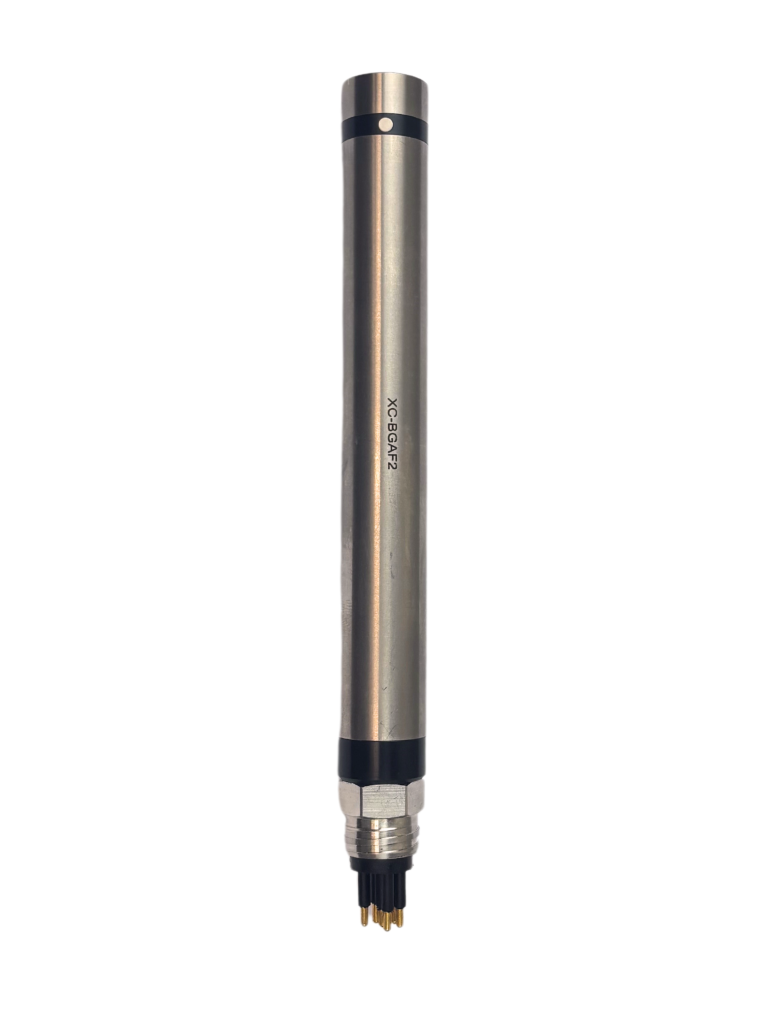
The XC-BGAF sensor equips water resource managers, scientists, and environmental agencies with the most precise tool for detecting and mitigating harmful algal blooms. With real-time data and customizable integration options, this sensor sets a new standard in water quality monitoring. Contact us today for more details.