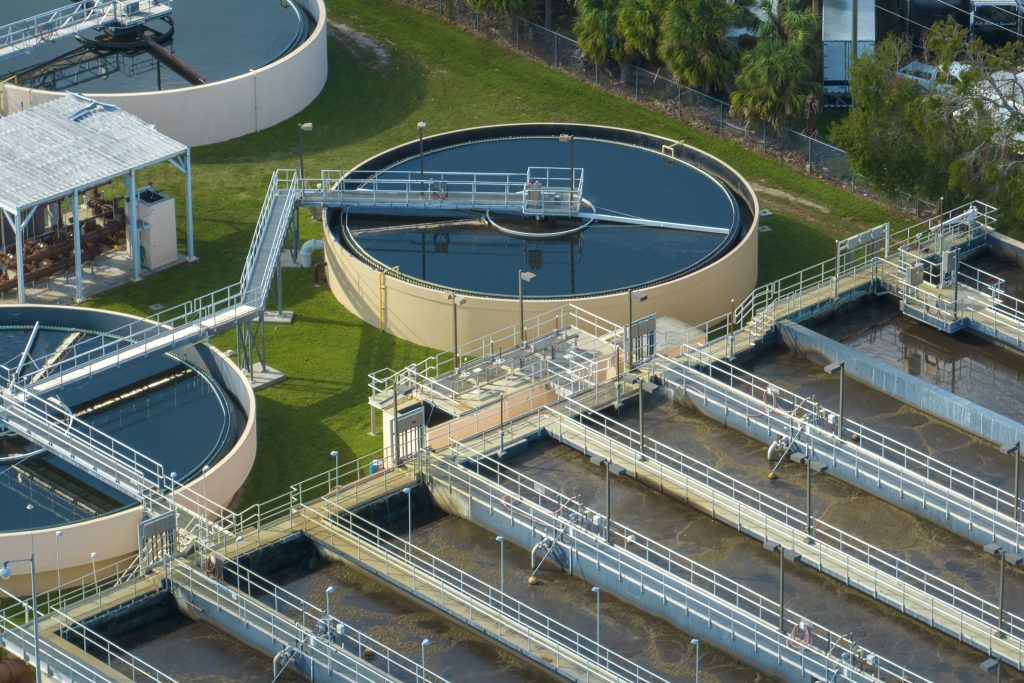
Aeration is one of the most critical processes in wastewater treatment. This is because it promotes the efficient degradation of organic matter while preventing undesirable odors and system inefficiencies. The aeration process involves introducing oxygen into wastewater, which allows aerobic microorganisms to break down organic pollutants effectively.
To achieve optimal aeration, treatment facilities rely on different systems, each with unique designs to meet specific process demands. In addition, dissolved oxygen (DO) sensors play a crucial role in ensuring that oxygen levels remain at an optimal range for biological treatment processes. In this article, we will explore the importance of aeration, the different types of aeration systems, and how DO sensors contribute to system efficiency.
Why Aeration is Critical in Wastewater Treatment
The Role of Oxygen in Biological Treatment
Wastewater treatment depends on microbial activity to break down organic matter. Aerobic bacteria thrive in oxygen-rich environments, consuming organic waste and converting it into carbon dioxide, water, and other stable byproducts. This process, known as aerobic digestion, is essential for:
- Reducing Biological Oxygen Demand (BOD) and Chemical Oxygen Demand (COD) – High BOD and COD indicate excessive organic pollutants, which must be broken down before discharge.
- Ensuring Effective Nutrient Production – Oxygen supports nitrification, the process of converting ammonia to nitrate, preventing harmful nitrogen compounds from building up by conversion into plant nutrients.
- Maintaining Process Efficiency – Proper aeration prevents anaerobic conditions, which can lead to foul odors and also system inefficiencies.
Impact of Aeration on Effluent Quality
A well-aerated system produces cleaner effluent that meets environmental discharge regulations. Oxygen enhances organic breakdown, pathogen removal, and chemical stabilization, thus, ensuring the safe discharge or reuse of treated water.
In addition, insufficient aeration leads to poorly treated effluent, which may result in:
- Higher pollutant levels, causing regulatory violations.
- Formation of toxic byproducts, including hydrogen sulfide.
- Lower treatment capacity, hence, requiring additional chemical treatment and energy consumption.
Preventing Septic Conditions in Treatment Plants
Septic conditions occur when oxygen levels are too low, thus, allowing anaerobic bacteria to take over. This leads to:
- Sludge accumulation and a decrease in solids settling efficiency.
- Formation of hydrogen sulfide (H₂S), which produces a strong rotten-egg smell.
- Higher production of methane (CH₄), a flammable greenhouse gas.
Continuous aeration prevents these problems, keeping the treatment system efficient as well as odor-free.
Types of Aeration Systems Used in Wastewater Treatment
Mechanical Surface Aerators
Mechanical aerators physically agitate wastewater, introducing oxygen by mixing the surrounding air into the water surface. These systems are common in lagoons, oxidation ponds, and activated sludge processes. The advantages of mechanical surface aerators include:
- High oxygen transfer rates.
- Effective for large-scale treatment plants.
- Helps with sludge mixing and also suspension.
But, there are also limitations of using mechanical aerators, such as:
- High energy consumption.
- Frequent maintenance is required due to mechanical wear.
Diffused Aeration Systems
Diffused aeration systems use air compressors and submerged diffusers to introduce fine bubbles into wastewater. Moreover, the small bubbles provide a high surface area, thereby improving oxygen transfer. Generally, diffusion systems could utilize either coarse bubble or fine bubble diffusers. Coarse bubble diffusers release larger air bubbles for mixing and also agitation. Whereas, fine bubble diffusers provide higher oxygen transfer efficiency, making them ideal for activated sludge treatment. Diffused aeration systems offer the following advantages:
- Uniform oxygen distribution.
- Lower energy consumption in comparison to surface aerators.
- Minimal odor formation.
Diffusion aeration also has some downsides, which include:
- Biofilm buildup on diffusers, therefore, requires routine cleaning.
- High initial setup costs.
Jet Aeration
Jet aerators use much more pressurized liquid and air mixing than diffusion aeration systems to generate fine bubbles. They are common in deep tanks and also in applications having a significant number of solids. This aeration system is capable of delivering high oxygen transfer efficiency and is less prone to clogging. But this comes with higher operational costs as well as complex installation and maintenance.
Subsurface Aeration
Subsurface aeration systems rely on specialized location diffusers placed at the bottom of tanks or lagoons. They offer both fine-pore diffusers for effective oxygen diffusion and coarse-pore diffusers for better mixing. This aeration system offers minimal surface disturbance during wastewater treatment, and also higher oxygen utilization efficiency. However, it is prone to scaling and clogging over time.
The Role of Dissolved Oxygen Sensors in Aeration Control During Wastewater Treatment
Why Monitoring Dissolved Oxygen (DO) is Essential
Maintaining the right amount of dissolved oxygen during aeration is critical to wastewater treatment efficiency. Too little oxygen results in poor digestion, while excessive oxygen leads to energy waste.
DO sensors ensure that aeration is optimized, helping water treatment plants:
- Prevent anaerobic conditions.
- Reduce energy costs by controlling oxygen supply.
- Maintain stable biological treatment performance.
Types of Dissolved Oxygen Sensors
Optical DO Sensors
Optical DO sensors use fluorescence-based technology for highly accurate, maintenance-free oxygen monitoring. This technology is suitable for real-time wastewater monitoring.
Electrochemical DO Sensors:
Electrochemical sensors use classic potentiometry for oxygen measurement and include both polarographic and galvanic sensors. They are also effective in real-time monitoring of DO during aeration in wastewater treatment. However, they may require regular membrane and electrolyte replacement.
Real-Time DO Monitoring for Aeration Optimization
Both of these modern DO sensor types can be integrated with modern control systems like SCADA, hence allowing automated aeration adjustments based on real-time readings. This approach:
- Improves aeration efficiency.
- Reduces energy consumption.
- Helps meet regulatory compliance.
DO Sensors for Wastewater Treatment from Alpha
At Alpha Measurement Solutions, we offer a range of advanced DO sensors to deploy during aeration of your wastewater treatment system. These sensors come with customizable options to suit specific needs of your application, including polarographic, galvanic, and optical DO sensors.
- Alpha’s Optical DO Sensor:
- Range: 0 – 20 ppm (0 – 200% saturation) / 0 – 50 ppm (0 – 500% saturation), adjustable within 0 – 50 ppm.
- Response Time: T90 < ~35 seconds.
- Accuracy: 0 to 10 mg/L (±1%), 10 to 20 mg/L (±2%), 20 to 30 mg/L (±5%), 30 to 50 mg/L (±15%).
- Temperature Range: 0 to 50°C.
- Pressure: Operating Atmospheric Pressure: 40 to 115 kPa, Maximum Bearing Pressure: 700 kPa.
- Warranty: 6 to 24 months, depending on the application.
- Features: High stability, minimal drift, and suitable for various environments including biological and hydrocarbon applications.

Alpha’s Polarographic and Galvanic DO Sensors:
- Range: 0 – 20 ppm (0 – 200% saturation) / 0 – 50 ppm (0 – 500% saturation).
- Response Time: T90 < 35 seconds.
- Accuracy: ±2%.
- Temperature Range: 0 – 50°C continuously monitored, 0 – 80°C grab sample.
- Pressure: Operating Atmospheric Pressure: 40 to 115 kPa, Maximum Bearing Pressure: 700 kPa.
- Warranty: 12 months.
- Features: Various polarographic and galvanic configurations for sample deployment. Robust design, suitable for diverse applications including process and field measurements.
Contact us today for more details.