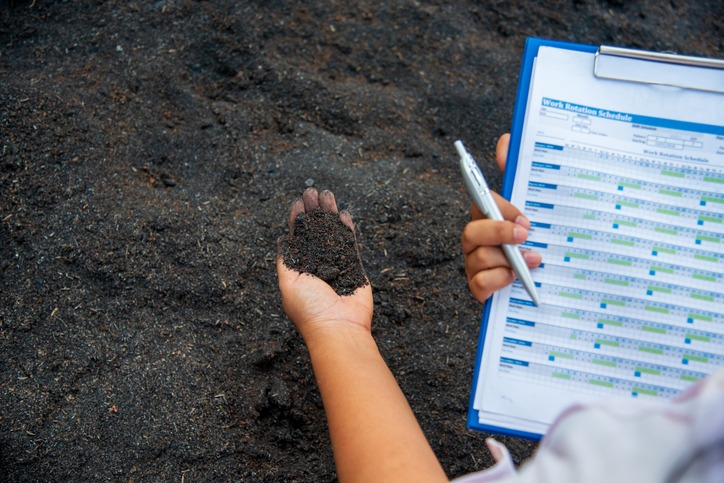
Soil pH is one of the most practical indicators of soil health because it directly affects nutrient availability, microbial activity, root development, and crop productivity. Whether managing a commercial field, greenhouse, hydroponic system, research plot, or garden, growers can better manage fertilization, amendments, irrigation, and long-term plant health by understanding soil pH.
What Is Soil pH?
Soil pH is a measurement of how acidic or alkaline the soil is. The pH scale ranges from 0 to 14, with 7 considered neutral. Values below 7 are acidic, while values above 7 are alkaline. In agricultural settings, soil pH is important because it influences the chemical form and availability of nutrients in the soil. A nutrient may be present, but if the pH is outside the appropriate range, plants may not absorb it efficiently. For this reason, soil pH measurement is not simply a diagnostic tool; it is a foundation for nutrient management, plant health, and productive growing conditions.
How Soil pH Affects Nutrient Uptake
The relationship between pH and nutrient availability is one of the main reasons soil testing is so valuable. Nutrients do not become useful to plants simply because they exist in the soil. They must be present in a form that roots can absorb. The table below provides a general overview of how pH conditions can influence plant performance.
| Soil pH Condition | Common Soil Effect | Potential Plant Impact |
| Too acidic (Below 5.5) | Increased aluminum solubility, reduced availability of some nutrients, and lower microbial activity | Poor root growth, stunted plants, reduced yield potential |
| Slightly acidic to near neutral (5.5 – 6.5) | Many nutrients are more available, and biological activity is better supported | Stronger nutrient uptake, healthier roots, improved productivity |
| Too alkaline (Above 7.5) | Reduced availability of iron, zinc, manganese, copper, and sometimes phosphorus | Chlorosis, micronutrient deficiencies, uneven growth, lower crop quality |
This table should not be interpreted as a universal rule for every crop. Some plants prefer acidic soils, while others tolerate alkaline conditions. However, for many agricultural systems, keeping pH within a crop-appropriate range improves nutrient efficiency and reduces the likelihood of avoidable plant stress.
Factors That Influence Soil pH
Soil pH changes over time. Some changes occur naturally, while others result from agricultural practices. Understanding these influences helps growers know why pH monitoring should be repeated rather than treated as a one-time task.
Common factors that influence soil pH include:
- Parent rock material and natural soil mineral composition
- Rainfall, leaching, and climate conditions
- Organic matter decomposition
- Fertilizer type and application frequency
- Irrigation water chemistry
- Crop uptake and nutrient removal
- Soil amendments such as lime or sulfur

In areas with high rainfall, leaching can remove basic nutrients such as calcium and magnesium, gradually increasing soil acidity. In other regions, irrigation water with high alkalinity can contribute to rising soil pH. Fertilizer programs can also shift pH over time, particularly when nitrogen sources are applied repeatedly. Because these conditions change gradually, pH trends are often more useful than a single reading. Regular testing allows growers to identify shifts early and make adjustments before plant health or productivity is affected.
Soil pH Measurement Methods
Several tools can be used to measure soil pH, and each has advantages depending on the application.
Colorimetric test kits are simple and accessible. They use chemical indicators that change color based on pH. These kits are useful for general screening, especially in home gardening or educational settings, but they are less precise than instrument-based methods.
Handheld soil pH meters provide faster readings and are convenient for repeated testing. However, accuracy depends on calibration, probe condition, sample moisture, and proper preparation. Direct insertion into soil may be appropriate for some devices, but many higher-confidence measurements use a prepared soil slurry.
Laboratory analysis is often the preferred method for commercial agriculture, research, or amendment planning. Labs can provide standardized pH results, nutrient data, organic matter content, salinity, and recommendations for lime or sulfur application.
Sensor-based pH measurement supports more advanced monitoring needs. When paired with proper sample preparation, calibration, and data systems, sensors can help growers and researchers track pH trends more consistently and integrate pH data into broader nutrient management decisions.
Best Practices for Accurate Soil pH Measurement
Consistent technique is essential for reliable pH data. Soil pH readings can vary due to sampling depth, soil moisture, preparation method, calibration condition, and probe cleanliness.
For more dependable results, growers should calibrate meters before use, use appropriate calibration buffers, clean probes between samples, and follow a consistent soil-to-water ratio. It is also helpful to test at similar times of year when comparing results over multiple seasons.
The most important best practices are:
- Collect multiple subsamples from the area being tested.
- Prepare the sample consistently using the recommended method.
- Calibrate and maintain pH meters or sensors properly.
- Record results by location, crop, date, and sampling depth.
- Retest periodically to monitor changes over time.
What to Do When Soil pH Is Too Low or Too High
When soil pH is too low, agricultural lime is commonly used to raise pH. The amount required depends on the current pH, target pH, crop needs, soil texture, and buffering capacity. Clay soils and soils with higher organic matter often require more amendment than sandy soils to achieve the same change in pH.
When soil pH is too high, management may involve sulfur-based amendments, addition of organic matter, fertilizer adjustments, or changes in irrigation practices. Lowering soil pH can be more difficult than raising it, especially in calcareous soils or regions with alkaline water.
Soil amendments should be applied based on reliable test results rather than guesswork. Overcorrection can create new problems, and pH changes often take time. Follow-up testing helps confirm whether the amendment strategy is working.
Supporting Accurate pH Measurement with AlpHa Measurement Solutions
AlpHa Measurement Solutions develops pH sensing technologies for applications where accuracy, durability, and integration matter. For agriculture, aquaculture, hydroponics, and precision monitoring, reliable pH data can help guide nutrient strategies, support plant health, and enable more consistent growing conditions.
Key applicable features include:
- Wide pH measurement range: Measures from 0 to 14 pH, supporting both acidic and alkaline sample conditions.
- High accuracy: Provides accuracy up to ±0.02 pH for dependable measurement in applications where small pH changes can affect nutrient availability and crop performance.
- Fast response time: Delivers stable readings in approximately 10 seconds, supporting timely measurement and adjustment decisions.
- Low drift: Offers drift performance of ±0.05 pH over 24 hours, helping support consistent readings during repeated or extended monitoring.
- Broad temperature tolerance: Operates from -5°C to 135°C, making it suitable for diverse agricultural, greenhouse, hydroponic, and controlled-environment applications.
- Rugged, glass-free ISFET option: Provides a durable, solid-state alternative for environments where breakage, handling, or harsh conditions are concerns.
- Analog and digital output options: Supports millivolts, 4–20 mA, and RS-485 MODBUS RTU for integration with handheld meters, transmitters, automated systems, and data logging platforms.
By combining pH measurement performance with configurable design options, AlpHa helps support reliable data collection in agricultural and precision monitoring applications where measurement consistency is essential.

Frequently Asked Questions on Soil pH
Soil pH measures how acidic or alkaline the soil is. It affects nutrient availability, microbial activity, root development, and plant health.
Soil pH determines whether plants can access essential nutrients. If pH is too low or too high, crops may experience deficiencies, toxicity, poor root growth, or reduced yield.
Collect a representative soil sample, prepare it consistently, calibrate the meter or sensor, measure the sample, and interpret the result based on crop requirements.
Yes. Sensor-based pH measurement can support precision agriculture, controlled growing environments, research, and long-term monitoring when paired with proper calibration and sample preparation.