

Brewers spend countless hours selecting ingredients, refining recipes, and perfecting fermentation profiles. Yet, one small variable can undermine all that work if it is not under control. That variable is dissolved oxygen, often referred to simply as DO. Oxygen is helpful early in the brewing process, but it becomes a silent enemy once fermentation is complete. Even trace amounts can alter flavor, shorten shelf life, and create unwanted aromas. As a result, breweries of all sizes now rely on precise DO monitoring to safeguard product quality. This article explores what dissolved oxygen is, why it behaves the way it does in beer, when and how to measure it, and how brewers can maintain consistently low DO levels throughout production.
What Is Dissolved Oxygen in Beer?
Dissolved oxygen is oxygen gas that has dispersed into a liquid without forming bubbles. It is different from the oxygen within water molecules themselves and exists as free oxygen that interacts with compounds in beer. DO enters beer whenever the liquid is exposed to air or agitation. Some entry points are intentional, such as aerating wort before fermentation so that yeast can reproduce. Other entry points are accidental, especially during transfer, filtration, or packaging. Because oxygen is chemically reactive, even tiny amounts can trigger oxidation reactions that slowly change the taste and stability of beer.
Brewing experts often describe oxygen as useful at one moment and destructive the next. Understanding that balance is essential to managing DO throughout the production cycle.
The Role of Dissolved Oxygen in the Brewing Process
During the early stages of brewing, oxygen plays a beneficial role. Yeast depends on oxygen to synthesize sterols, which build strong cell membranes. Healthy yeast is more efficient at metabolizing sugars and finishing fermentation predictably. Without enough oxygen in the wort, fermentation can stall or produce unwanted byproducts, so breweries deliberately oxygenate wort at this stage.
Once fermentation begins in earnest, the story changes. Yeast consumes most of the available oxygen, and any additional oxygen becomes dangerous. After fermentation, the beer is highly susceptible to oxidative reactions because alcohol, hop compounds, and malt-derived molecules readily bond with oxygen. These reactions are slow to develop but difficult to reverse. This is why brewers aim to keep DO near zero from the end of fermentation until packaging is complete.
Why Controlling DO Is Crucial for Flavor and Stability of Beer
If oxygen is allowed into beer after fermentation, oxidation begins almost immediately. This can lead to stale, papery, or metallic flavors that overpower the intended character of the beer. Certain hop-forward styles, especially IPAs, are extremely sensitive, and oxidation can cause the bright aromas to fade and turn into muted or cardboard-like notes.
Over time, dissolved oxygen can also produce haze and reduce clarity. The aroma compounds that define fresh beer break down, and the beer loses its crisp flavor. Many breweries consider oxidation one of the primary reasons that packaged beer does not taste as good as beer served directly from the brewery.
Even very small amounts of DO can cause issues. Many quality assurance teams establish strict internal limits, particularly for canned and bottled products that must remain stable for months on store shelves. By managing DO carefully, breweries maintain consistency, reduce product returns, and deliver a better customer experience.
When to Measure Dissolved Oxygen During Brewing
Brewers track DO at several key points to prevent oxygen from entering the beer unnoticed.
The first critical point is before fermentation, when oxygen is added intentionally. Measuring DO here ensures the yeast receives the right amount of oxygen. Too little and yeast becomes stressed, but too much can lead to off-flavors.
After fermentation, DO must be monitored closely. Measurements during transfers, filtration, and conditioning help detect air leaks, pump turbulence, or equipment issues. Many breweries discover that oxygen enters the product during seemingly simple operations, such as moving beer from one tank to another.
The next important point is during packaging. This is the phase where beer is most vulnerable. Measuring DO here helps confirm that bottles, cans, or kegs are being filled with minimal exposure to air.
Finally, breweries measure DO in the finished product. These readings determine whether the beer meets internal quality standards and predict how well it will hold up during distribution.
How to Measure Dissolved Oxygen in Beer
Brewers use DO meters equipped with specialized sensors to detect the concentration of oxygen in beer. Modern meters rely on optical detection, which provides fast response times and high accuracy even at very low levels.
Brewers begin by calibrating the meter. Calibration usually involves exposing the sensor to an oxygen-free solution so it can establish a zero reading. This step is essential because DO levels in packaged beer are often measured in parts per billion, which requires extremely precise calibration.
After calibration, the brewer samples beer directly from the process line or connects the meter to an inline port. Many facilities use a combination of these methods so they can monitor DO both during production and during quality checks.
Once the meter is connected, the brewer allows the reading to stabilize and records the value. Inline systems often send readings to a control panel or data logger for later review. When measurement is complete, the sensor must be cleaned and stored correctly to prevent contamination and drift.
Inline Measurement Compared to Spot Sampling
Breweries with high production volumes often rely on inline DO sensors to monitor oxygen in real time. Inline sensors provide continuous data, which makes them ideal for packaging lines where oxygen levels can change rapidly. Although the installation cost is higher, the benefit is consistent monitoring without repeated manual sampling.
Smaller breweries or those just beginning DO control typically use handheld meters for spot checks. These devices are portable and affordable, allowing brewers to test wort, beer transfers, and packaging samples without installing permanent sensors. The drawback is that spot checks provide fewer data points, which can make it harder to identify the exact point where oxygen is entering the beer.
Many facilities find the best solution is a combination of both methods: inline for critical steps and handheld meters for occasional checks.
Recommended DO Levels for Different Stages of Brewing
The ideal amount of dissolved oxygen depends on where you are in the brewing process. Wort aeration before fermentation typically ranges from eight to ten parts per million. This amount gives yeast enough oxygen to begin fermentation strongly.
After fermentation, breweries aim for extremely low DO values. Levels below 0.05 ppm are common targets in modern breweries, and premium products may aim for values even lower. During packaging, readings below 0.02 ppm are ideal for long-term stability.
These values illustrate how precise dissolved oxygen monitoring must be. Maintaining control requires accurate sensors, proper calibration, and strict handling procedures.
How Temperature, Pressure, and Salinity Affect Dissolved Oxygen Readings in Beer
Several physical conditions affect dissolved oxygen levels in beer, and understanding these factors helps brewers interpret their readings accurately.
Temperature has the greatest impact. Warm liquids cannot hold as much dissolved oxygen as cold liquids. This is why beer absorbs more oxygen during packaging as its temperature drops.
Pressure also affects DO. Higher pressure increases oxygen solubility, while lower pressure allows oxygen to escape more easily. Brewers must consider pressure when measuring oxygen levels and when transferring beer under pressure.
Salinity has a small effect on DO, although it is more relevant in laboratory environments than in typical brewing processes. Slight changes in salinity reduce oxygen solubility.
Because these variables influence DO significantly, brewers calibrate meters under similar conditions to those in which the beer will be tested.
Choosing the Right DO Meter for Brewing Applications
Selecting an appropriate DO meter involves evaluating accuracy, sensitivity, and the type of sensor used. Brewers need meters capable of detecting oxygen at extremely low levels and responding quickly to changes in concentration.
Meters with fast response times allow brewers to make real-time adjustments. Compatibility with tanks, transfer lines, and canning or bottling equipment is also important. Some meters integrate with data systems or Bluetooth software so breweries can track DO over time.
Durability is another factor. Sensors must withstand repeated cleaning and exposure to process fluids. Good DO meters are engineered to maintain accuracy for long periods, even in cold, carbonated environments.
Troubleshooting Common DO Issues in Brewing
When DO readings rise unexpectedly, the cause is often mechanical. Air can enter through worn gaskets, loose fittings, or pump seals. Packaging equipment may introduce oxygen through poor purge cycles or improper fill head alignment.
If DO readings fluctuate or seem inaccurate, the sensor may need recalibration. Membrane-style sensors can suffer from punctures or residue buildup, while optical sensors may require cleaning to remove film or debris.
Finally, off-flavors in packaged beer almost always signal oxidation. Investigating packaging lines, storage conditions, and transfer procedures often reveals the root cause.
Best Practices for Maintaining Low Dissolved Oxygen in Beer
Consistent DO control requires more than equipment. It also depends on strong process discipline. Brewers should calibrate sensors frequently, minimize agitation during transfers, and purge vessels, hoses, and lines with CO₂ before use.
During sampling, it helps to use closed loops instead of open containers to avoid exposing beer to air. Regular equipment maintenance prevents leaks and keeps DO levels stable.
No system is perfect, but breweries that monitor DO proactively can catch problems early and maintain consistent product quality.
Why AlpHa’s DO Sensors Are the Ideal Choice for Breweries
Breweries depend on precise, low-oxygen measurements to protect flavor, freshness, and shelf stability. AlpHa’s dissolved oxygen sensors are engineered to deliver that level of control with accuracy that meets the demands of modern brewing. Whether you are validating near-zero DO at packaging or monitoring aeration levels in wort, AlpHa provides sensors that respond quickly, perform reliably, and integrate seamlessly into your workflow.
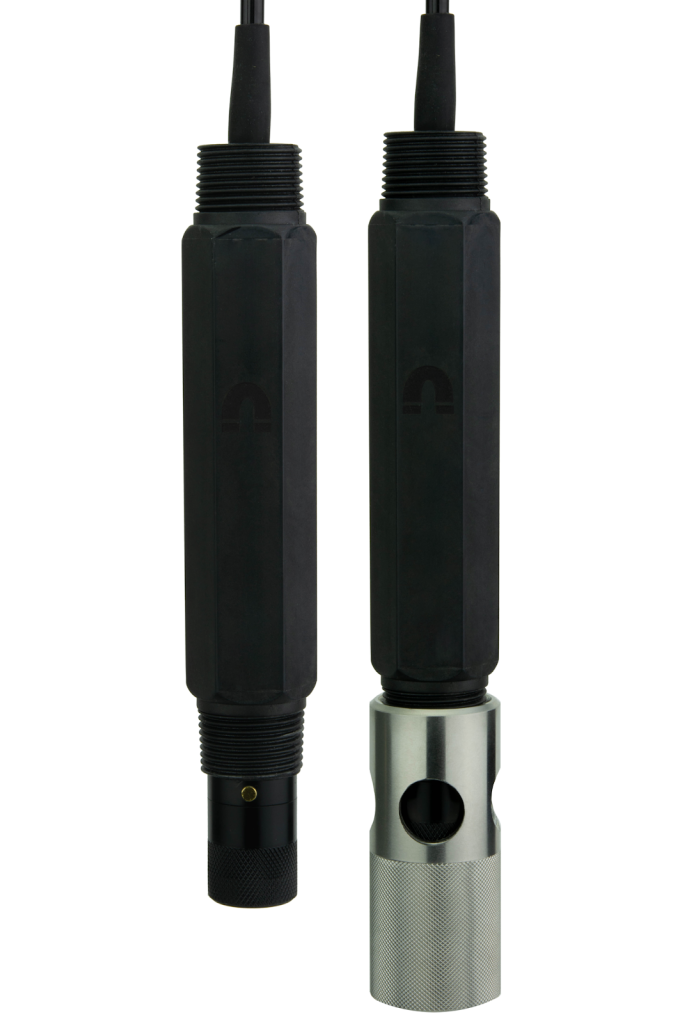
AlpHa’s Dissolved Oxygen Sensors
AlpHa’s portfolio includes optical, polarographic, and galvanic DO sensors designed for high performance across all brewing stages. Brewers often choose galvanic or polarographic (electrochemical) sensors for spot checks and ppm-level measurements. This is because electrochemical designs respond quickly and handle routine sampling well. On the other hand, optical DO sensors are better for continuous in-line monitoring or ppb-level precision. They are ideal for use during packaging because they offer excellent stability and very low drift. Together, these options give craft and large-scale breweries the flexibility they need for reliable oxygen control from wort production to final bottling.
Key Advantages of AlpHa’s DO Sensors for Brewing Applications
- High accuracy at low ppm for post-fermentation and packaging, where even 0.05 ppm matters.
- Fast T90 response times (<35 seconds) that help brewers catch oxygen spikes before they affect quality.
- Wide measurement ranges up to 50 ppm, suitable for wort aeration, tank transfers, and finished beer testing.
- Low-drift optical technology that maintains stable readings throughout long production cycles.
- Rugged construction with strong tolerance to brewing temperatures and process pressures.
- Multiple configurations, including inline, tank-mounted, and handheld styles to match any setup.
- Customization support from AlpHa’s technical team for breweries needing specialized integration.
By combining precision engineering with proven measurement technology, AlpHa gives breweries the confidence to protect flavor, extend product shelf life, and maintain consistent quality across every batch. 联系我们 today to find out more about our standard DO sensor options and customizations.

