Chlorophyll-a plays a pivotal role in the function and health of environmental ecosystems. This green pigment, which is predominant in photosynthetic organisms, helps to drive photosynthesis, hence making it fundamental for algal growth. This article explores what chlorophyll-a is, its function and impact on the environment, methods of measurement, and mitigating harmful algal blooms.
What is Chlorophyll-a?
Chlorophyll-a is a photosynthetic pigment present in the chloroplast of plants, algae, cyanobacteria, and aquatic species. It absorbs light energy, primarily from the blue and red wavelengths, and converts it into chemical energy necessary for photosynthesis. As the most abundant chlorophyll type, it serves as a key indicator of primary production in aquatic environments.
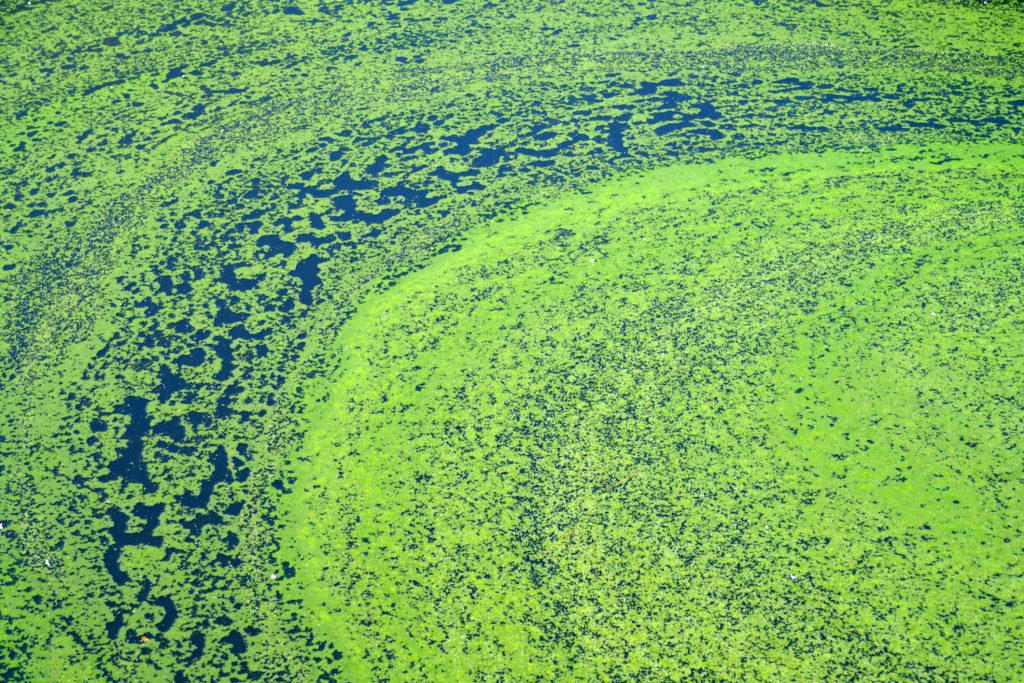
In water bodies, chlorophyll-a concentrations directly correlate with algal biomass. Moreover, scientists use this relationship to assess water quality, nutrient availability, and ecosystem productivity. While moderate chlorophyll-a levels support a healthy food web, excessive amounts can indicate nutrient pollution, leading to the proliferation of harmful algae.
The Function of Chlorophyll-a in Photosynthesis
In aquatic environments, chlorophyll-a serves as the primary pigment involved in photosynthesis. Although it captures light energy in the red and blue wavelengths, it reflects green light. Thus, giving plants and algae a green appearance. The absorbed light energy excites electrons, initiating the biochemical processes that convert light into chemical energy stored as glucose. Chlorophyll-a is critical in photosynthesis for several reasons including:
- Oxygen Generation: As a byproduct of photosynthesis, chlorophyll-a contributes to oxygen production in aquatic systems. Moreover, this oxygen from photosynthesis is vital for the survival of fish and other aquatic organisms.
- Carbon Dioxide Reduction: Through its photosynthetic activity, chlorophyll-a helps reduce atmospheric carbon dioxide levels. This process mitigates climate change impacts and contributes to stable aquatic ecosystems
- Energy Production: Photosynthesis boosts energy production, which fuels the growth of phytoplankton and aquatic plants. This process supports the entire aquatic food web, allowing small organisms to thrive and providing food for larger species.
How Chlorophyll-a Contributes to Algal Blooms
Apart from photosynthesis, chlorophyll-a also plays a vital role in promoting algal blooms. Algae, particularly phytoplankton, rely on various nutrients, including nitrogen and phosphorus. These nutrients are often present in aquatic systems due to natural processes and anthropogenic activities such as agricultural runoff and wastewater discharge. When nutrient levels are high, chlorophyll-a concentrations can surge, leading to rapid algal blooms. This growth provides a food source for herbivorous zooplankton; however, excessive algal blooms can produce harmful effects.
Other than the factors mentioned in the previous paragraph, other encouragers of algal blooms include:
- Light Intensity: Sunlight exposure enhances chlorophyll-a absorption, promoting rapid growth.
- 温度 Warmer water temperatures favor algal metabolism, thus, increasing chlorophyll-a levels.
- Hydrodynamic Conditions: Slow-moving or stagnant waters provide ideal conditions for bloom formation.
When chlorophyll-a levels exceed natural thresholds, algal blooms can become problematic, causing oxygen depletion, water toxicity, and habitat degradation.
Impact of Excessive Chlorophyll-a on Water Quality
Although the function of chlorophyll-a is largely beneficial to the environment, it could disrupt the ecosystem when in excess amounts. The following sections reviews some of these harmful effects.
Eutrophication
This phenomenon occurs when nutrient-rich waters promote algal blooms. Although algal blooms can initially support aquatic life by increasing food availability, they can become detrimental as they die off. The decomposition of dead algae depletes dissolved oxygen levels, leading to hypoxia, a condition where oxygen levels are insufficient to support aquatic life. Consequences of eutrophication include:
- Fish Kills: Oxygen-deprived waters cause mass mortality of fish and invertebrates.
- Reduction in Biodiversity: Harmful algal blooms outcompete native aquatic plants and also disrupt ecosystems.
- Water Quality Decline: Excess organic matter increases turbidity, hence, reducing water clarity and harming aquatic vegetation.
Harmful Algal Blooms (HABs) and Toxins
Some algal blooms species produce toxins that can adversely affect marine life and human health. For example, cyanobacteria blooms can lead to respiratory issues, gastrointestinal problems, and even liver damage for humans and wildlife. Also, it can restrict recreational activities such as fishing and swimming. So, monitoring and managing chlorophyll-a levels is essential for preventing these environmental and public health threats.
Strategies for Mitigating Harmful Algal Blooms
To protect aquatic life and preserve water resources, mitigating harmful algal blooms is crucial. The following sections highlight some of these strategies.
Nutrient Management
Reducing nutrient inputs from industrial, agricultural, and urban runoff can significantly lower chlorophyll-a levels. Implementing best management practices, such as buffer zones and phosphate-free fertilizers, can limit nutrient loading in water bodies.
Monitoring and Early Warning Systems
Establishing monitoring programs to track chlorophyll-a concentrations aids in the early detection of algal blooms. Developing warning systems using real-time data can better inform communities to take precautionary measures before blooms are established.
Restoration Projects
Enhancing wetland areas and improving land-use practices can help filter nutrients before they enter water bodies. Planting native vegetation along shorelines also aids in stabilizing soil and reducing runoff. In addition, introducing filter-feeding organisms like mussels helps control the algae population.
Public Education and Involvement
Raising awareness about the importance of water quality and actions individuals can take to reduce nutrient pollution is essential. Engaging communities in local water protection efforts fosters a sense of responsibility and encourages better practices.
Methods for Measuring Chlorophyll-a
Accurate chlorophyll-a measurement provides valuable insights into ecosystem health and water quality. Common techniques of measurement include:
- Spectrophotometry: This traditional lab-based method involves filtering water samples and extracting chlorophyll-a pigments using solvents. Then, a spectrophotometer determines the pigment concentration.
- Fluorometry: This technique measures the fluorescence emitted by chlorophyll-a when exposed to specific wavelengths of light. Fluorometers can provide real-time data on chlorophyll-a levels, thus enabling efficient monitoring of algal growth.
- Remote Sensing: Satellite and imaging technologies can provide large-scale assessments of chlorophyll-a concentrations in open water bodies. This is useful, especially for tracking algal bloom patterns over time.
Monitoring Chlorophyll-a Function using Alpha Sensors
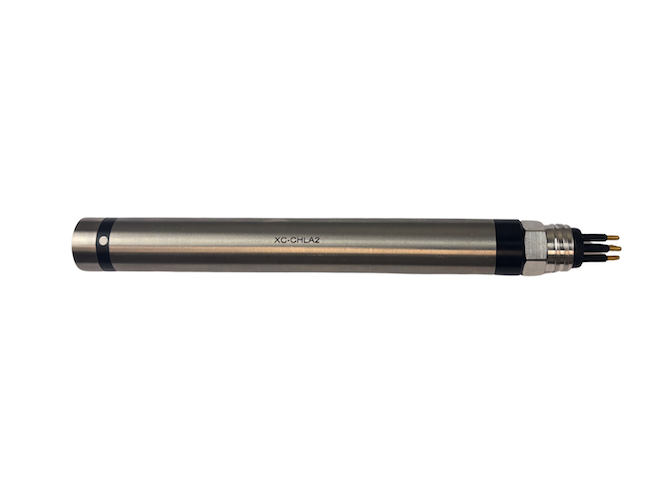
Because accurate monitoring of chlorophyll-a levels is pivotal to maintaining good ecosystem health, quality should not be compromised. This is why Alpha’s portfolio for its patent-pending Xcite fluorometer includes the XC-CHLA, which measures chlorophyll-a at a market-leading minimum detection of 0.01 ppb. Other exciting features of this sensor are as follows:
- Wide Measurement Range: Measures chlorophyll-a levels from 0 to 100 ppb (µg/L).
- Fast Response Time: Sonde configuration provides T100 ~3 seconds, while stand-alone configuration provides ~2 seconds.
- Automatic Temperature Compensation – Ensures accurate readings across varying environmental conditions.
- Multiple Output Formats: Analog (0 – 3 V with UART-MODBUS) and Digital (RS-485 MODBUS RTU).
- Max Operating Pressure: 200 m.
- 温度范围: 0 to 50°C.
- Housing Material: Titanium (custom options available).
- Flexible Power Input & Low Energy Consumption: Sonde Configuration (5 – 36 VDC, 450 mW) and Stand-alone Configuration (6 – 36 VDC, 500 mW).
- Customizable Form Factors & Integration: Available as stand-alone or sonde/cartridge configurations. Various connector and insertion options to meet application needs.
联系我们 today for more details on our standard offerings and customized solutions.