
Is Chlorine Tap Water Safe To Drink?

Chlorine plays a critical role in keeping tap water safe by disinfecting pathogens and protecting water quality throughout distribution. This article explains how chlorination works, what regulatory limits mean for consumers, and how continuous monitoring ensures safe, compliant drinking water.
pH in Beer – Why It Matters and How to Measure It

pH plays a critical role in brewing, shaping flavor, foam, color, and shelf stability from mash to packaging. This article explains how to measure, adjust, and control pH at each brewing stage to achieve consistent, high-quality beer.
Effects of Tryptophan on Human Health: Roles, Benefits, and Risks

Tryptophan plays a critical role in human health while also serving as a valuable indicator of biological activity in water systems. This article explains its physiological importance and how modern sensors enable real-world tryptophan monitoring.
Dissolved Oxygen in Beer: Why It Matters and How to Measure It

Dissolved oxygen plays a critical but often misunderstood role in brewing, helping yeast early while threatening flavor and stability later. This article explains how brewers measure, manage, and minimize DO to protect beer quality from fermentation through packaging.
Analog vs Digital Sensors: Comparisons and Selection Criteria
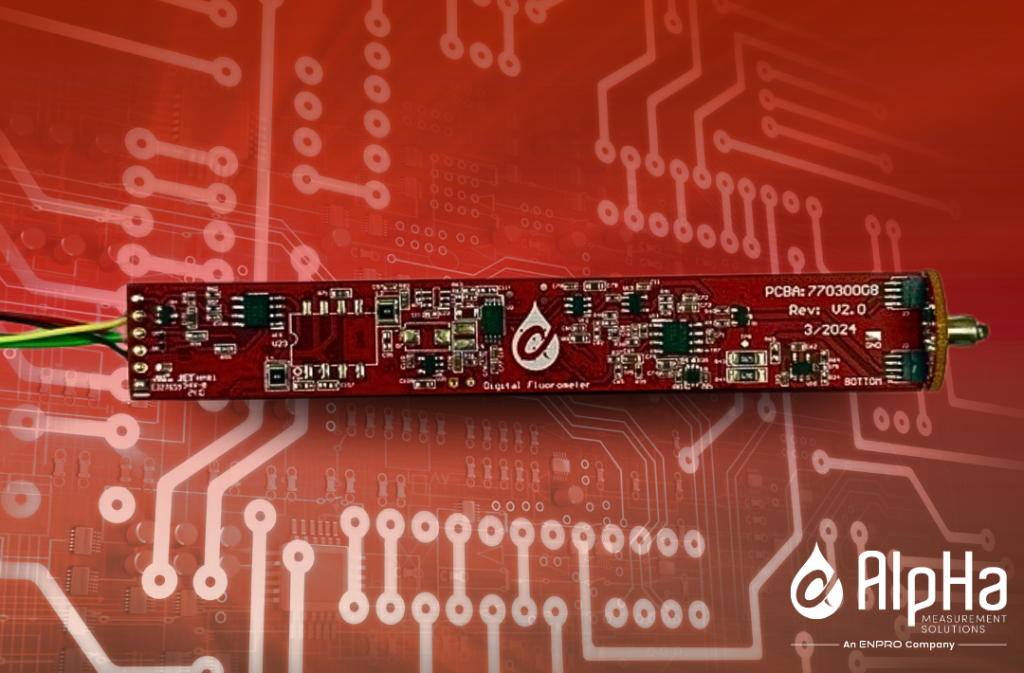
Choosing between analog and digital sensors goes beyond tradition or preference; it requires understanding how each technology supports accuracy, integration, and long-term performance. This article compares both sensor types and offers practical guidance to help engineers, operators, and system designers select the best fit for their application.
NTU in Turbidity: What It Means and Why It Matters
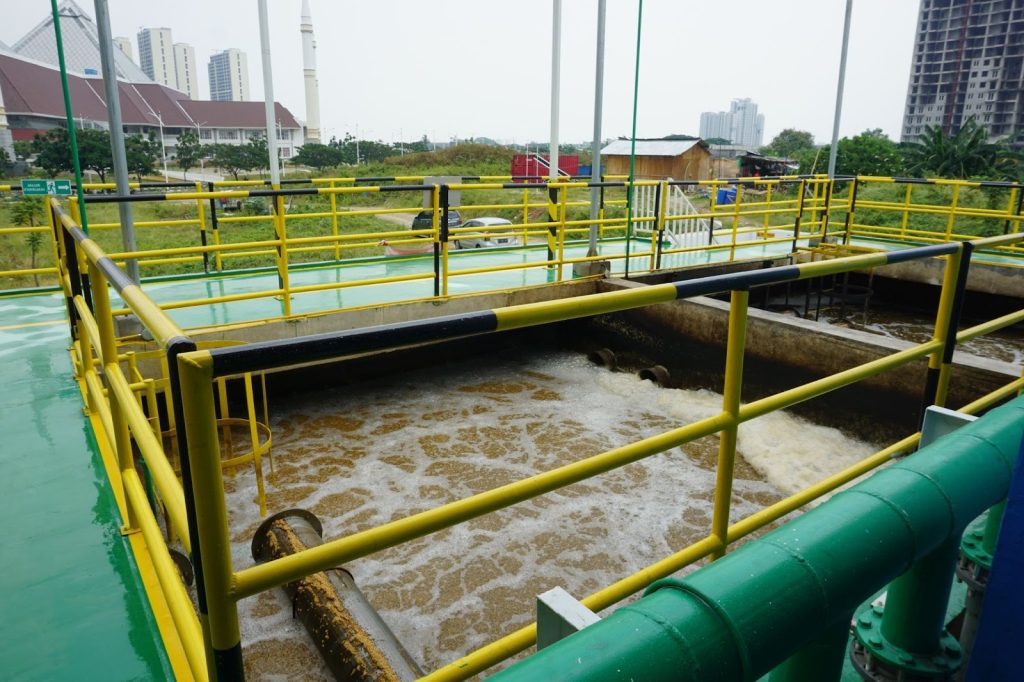
NTU remains the most trusted and widely used metric for understanding turbidity and assessing changes in water clarity. Modern optical sensors make NTU measurement more reliable, giving water professionals clearer insight into treatment performance, environmental conditions, and compliance.
AlpHa Measurement Solutions Launches Turbidity Sensor Portfolio

AlpHa Measurement Solutions has unveiled its new TU90 Turbidity Sensor Portfolio, a laser-based, ISO 7027-compliant solution engineered for exceptional accuracy and OEM integration. With customizable configurations and leading low-range performance, the TU90 sets a new standard for turbidity monitoring.
NTC vs RTD: Choosing the Right Temperature Sensor

NTC thermistors and RTDs are the most widely used temperature sensors, yet they perform very differently as temperature changes. Understanding their strengths, limitations, and ideal applications is key to selecting the right sensor for accurate, stable, and long-term temperature measurement.
Muriatic Acid for Pools: What It Is, Why It Matters, and Safety

Muriatic acid is one of the most effective and affordable solutions for maintaining balanced pool chemistry. This article explores its functions, safe handling practices, and how modern pH and chlorine sensors can help optimize its use for cleaner, safer pool water.
Aeration in Wastewater Treatment
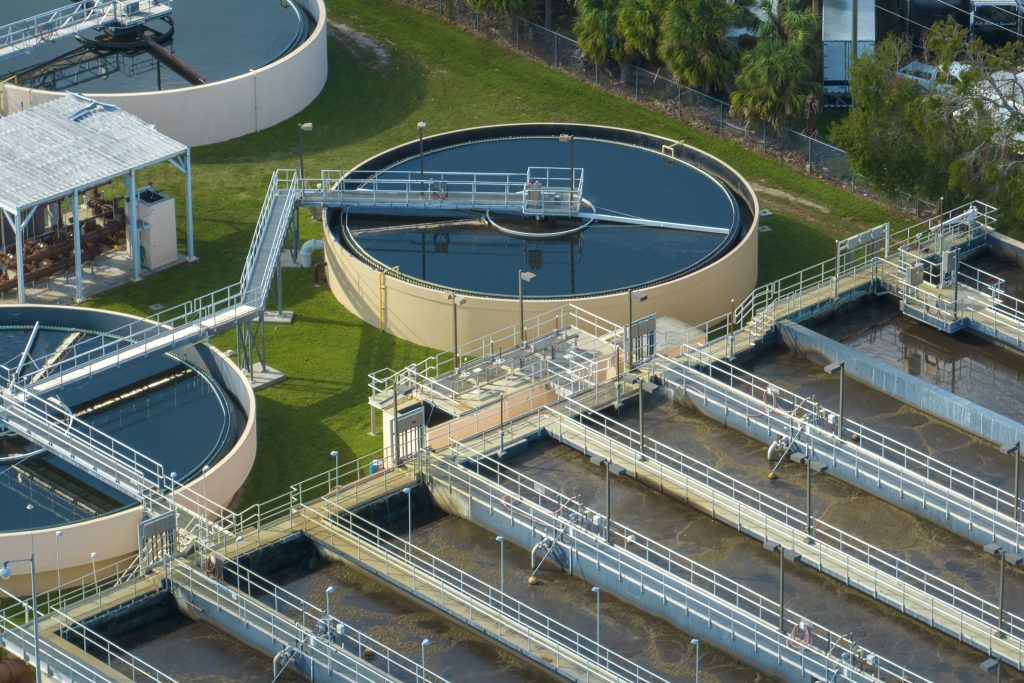
Aeration is one of the most critical processes in wastewater treatment. This is because it promotes the efficient degradation of organic matter while preventing undesirable odors and system inefficiencies. The aeration process involves introducing oxygen into wastewater, which allows aerobic microorganisms to break down organic pollutants effectively. In this article, we will explore the importance of aeration, the different types of aeration systems, and how DO sensors contribute to system efficiency.